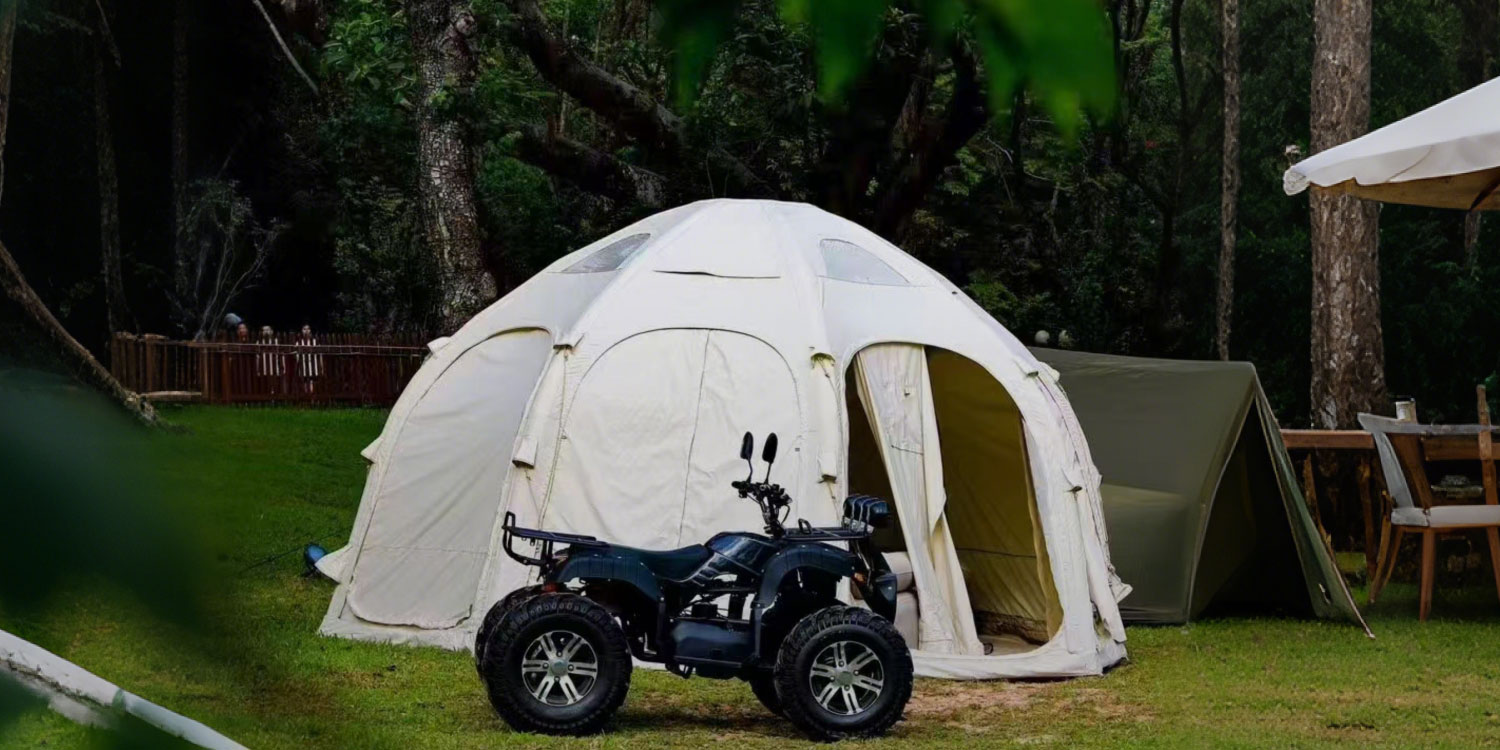
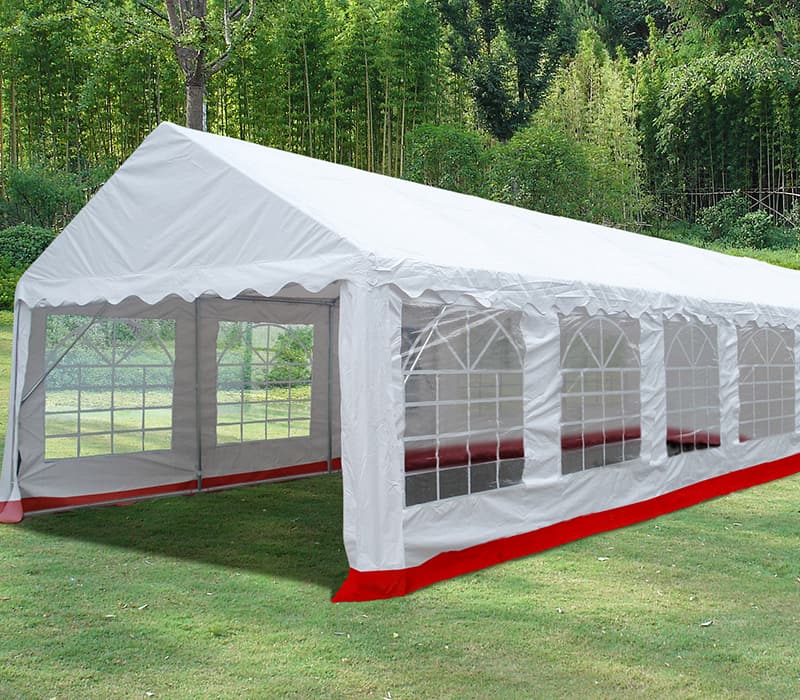
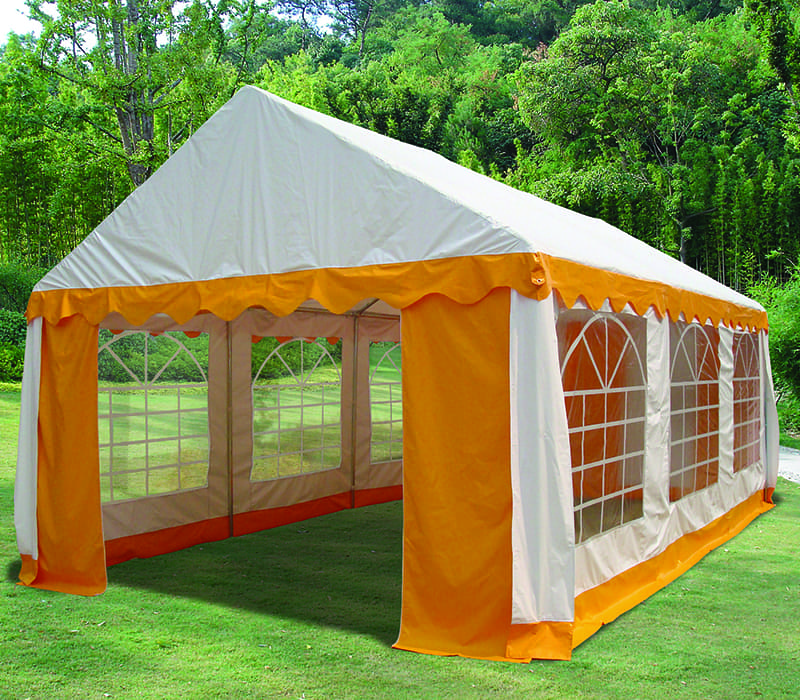
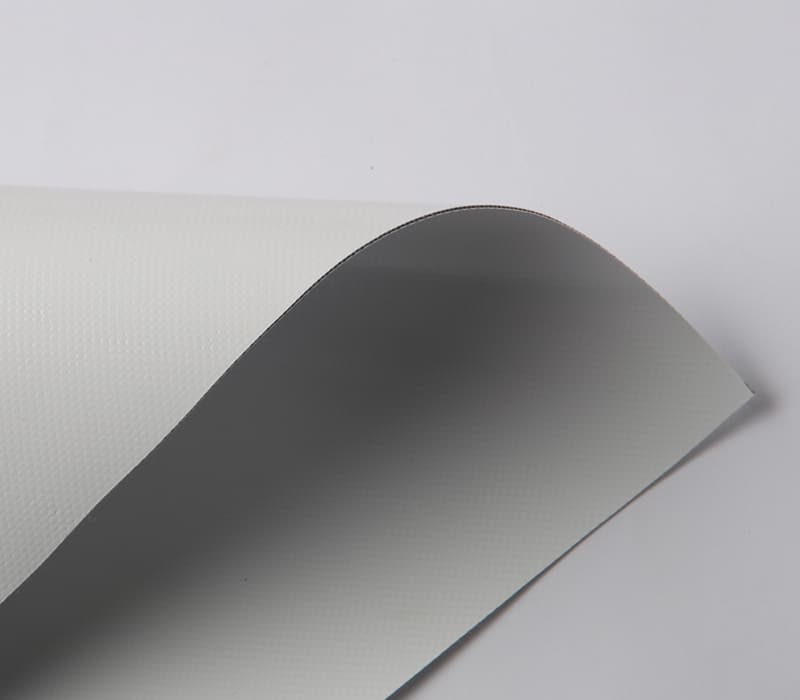
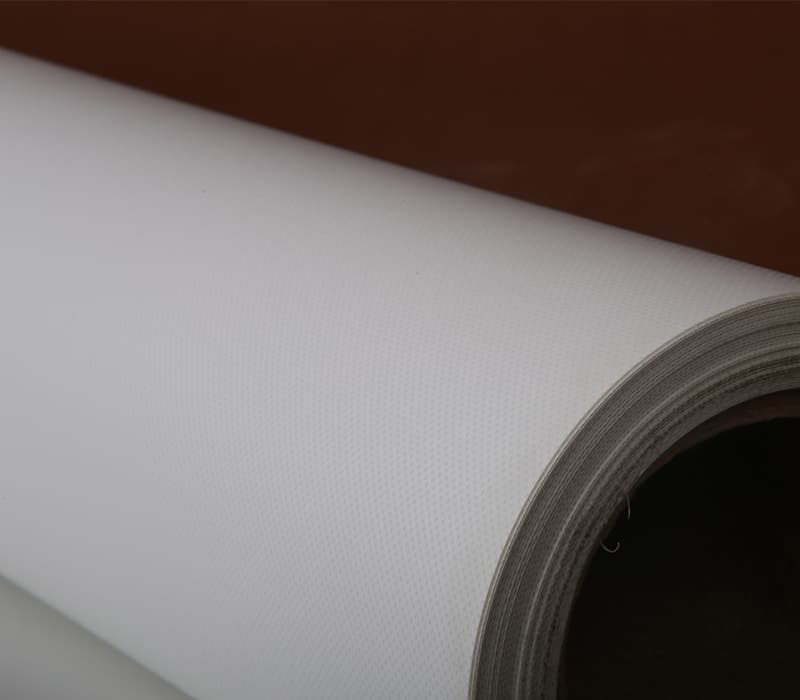
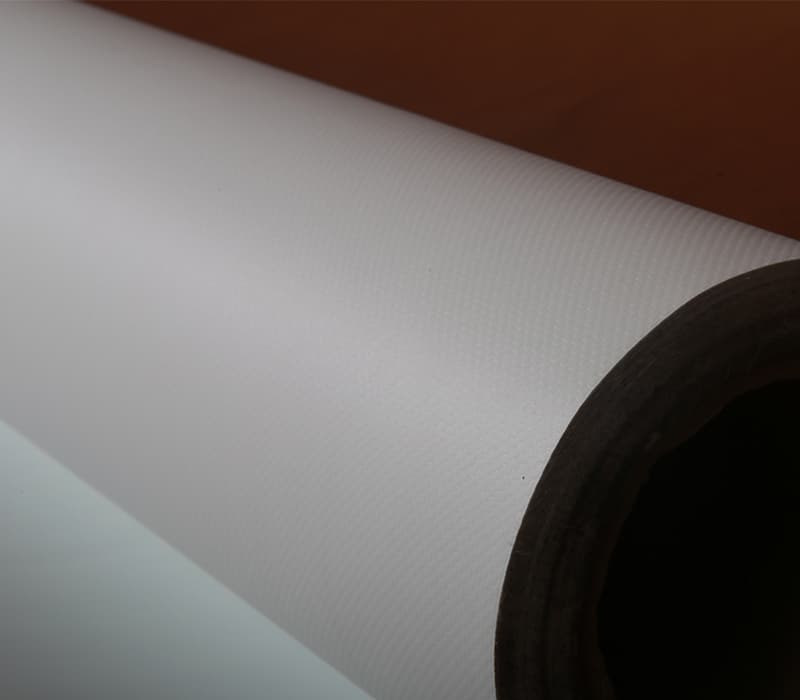
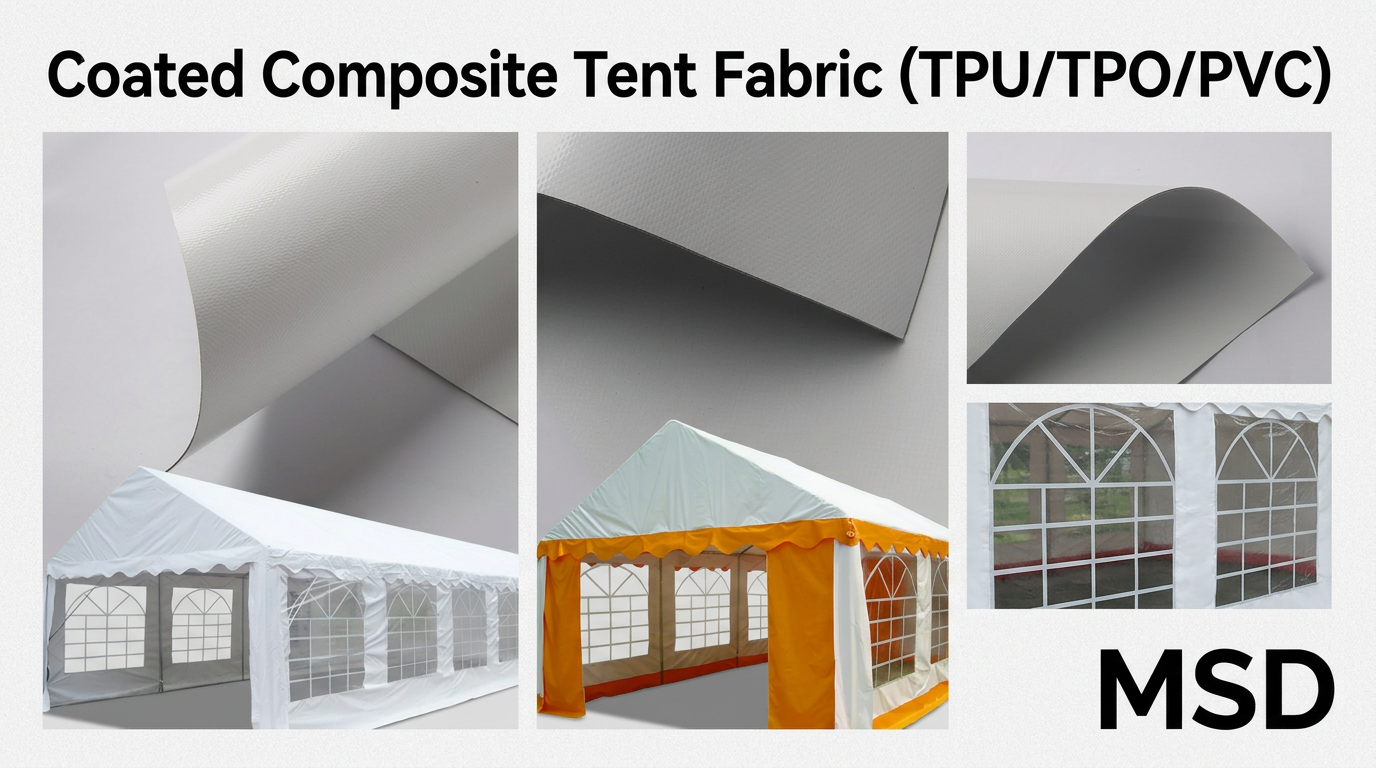
Coated Composite Tent Fabric in TPU, TPO and PVC
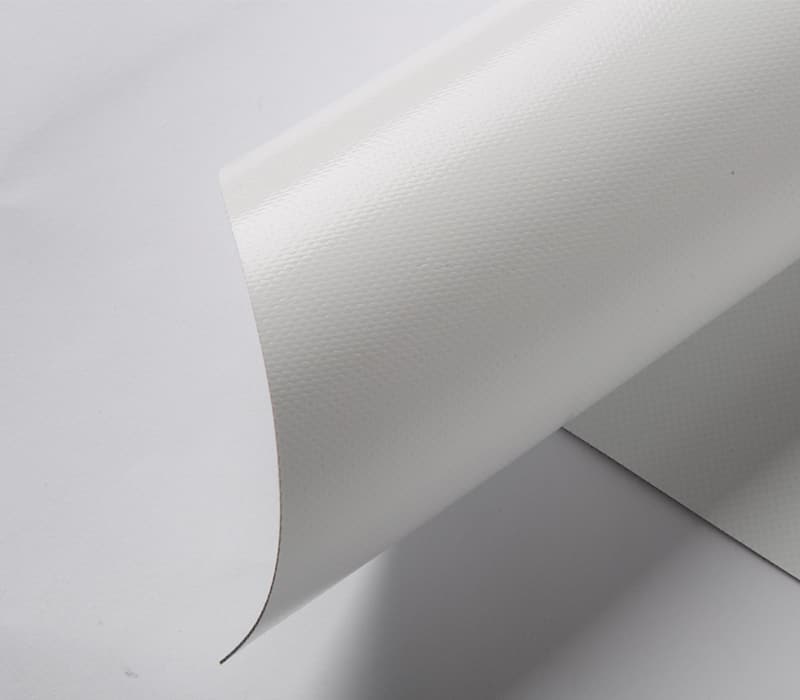
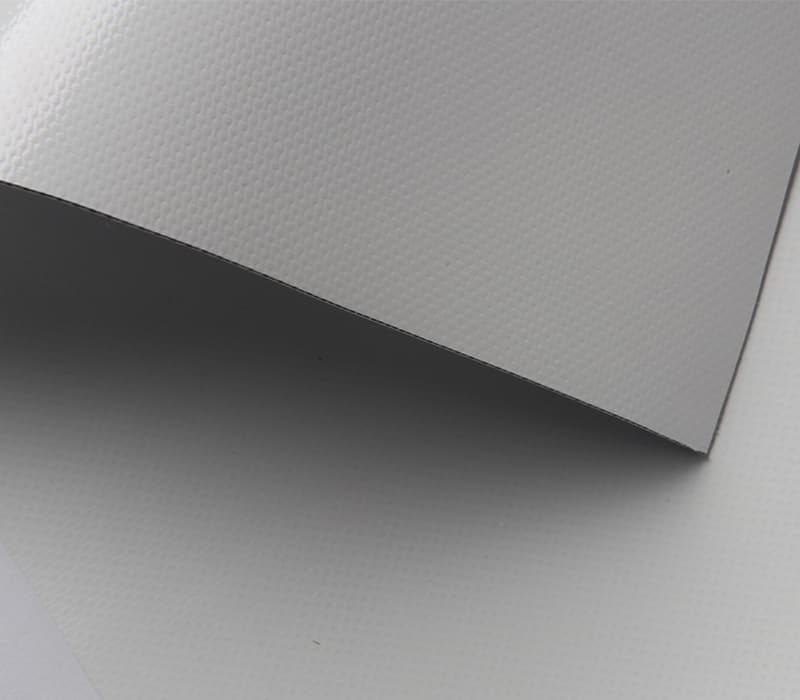
Coated Composite Tent Fabric is a reinforced flexible textile made for tents, temporary shelters, event enclosures, glamping structures, storage facilities, and other weather-protection systems. It combines a woven or knitted base fabric with TPU, TPO, PVC, or another application-specific polymer layer.
MSD develops TPU Coated Composite Tent Fabric, TPO Coated Composite Tent Fabric, and PVC Coated Composite Tent Fabric. Each polymer system has its own processing profile and balance of flexibility, water resistance, appearance, adhesion, weldability, mechanical behavior, and environmental response.
A tent membrane cannot be evaluated from its polymer name or fabric weight alone. The base textile, coating thickness, panel size, seam construction, reinforcement, supporting frame, anchoring system, ventilation, installation quality, and local climate all influence the completed shelter.
Material Definition and Composite Structure
This section looks at the basic construction of coated tent fabric, the purpose of each layer, and the practical differences between a composite membrane and an untreated textile.
What Is Coated Composite Tent Fabric?
Coated Composite Tent Fabric is a technical textile made by combining a reinforcing fabric with one or more polymer surface layers. The textile carries mechanical loads and supports dimensional stability. The polymer surface helps manage water penetration, protects the textile, provides color, and creates a surface suitable for selected joining and finishing processes.
A typical construction may include:
- Woven or knitted textile substrate
- TPU, TPO, or PVC polymer layer
- Adhesion or tie layer where necessary
- Colored, printed, smooth, or textured finish
- Application-specific surface treatment
- Welded, bonded, or sewn seams in the fabricated shelter
Related terms include:
- Waterproof coated fabric
- Composite tent fabric
- Coated shelter fabric
- Flexible membrane fabric
- Laminated tent textile
- Weather-protection fabric
- TPU-coated tent fabric
- TPO-coated tent fabric
- PVC-coated tent fabric
- Technical textile for shelters
The material is one part of a shelter rather than a finished shelter by itself. A completed structure also contains cut panels, seams, frames, anchors, entrances, windows, ventilation features, reinforcement, drainage details, and installation components.
Even a well-constructed membrane cannot compensate for an unsuitable frame, poor anchoring, incorrectly positioned seams, or inadequate water drainage.
How Is Coated Composite Tent Fabric Structured?
A coated composite distributes different functions across the textile, polymer layers, surface finish, and fabricated joints.
| Structural Element |
Primary Function |
Evaluation Focus |
| Textile substrate |
Provides reinforcement and dimensional support |
Yarn type, fabric density, tensile behavior, and tear response |
| Polymer surface |
Limits water penetration and protects the textile |
Chemistry, thickness, continuity, flexibility, and joining response |
| Tie layer |
Connects the textile and polymer where required |
Compatibility, adhesion, curing, and aging |
| Surface treatment |
Adjusts gloss, texture, cleaning, printing, or blocking behavior |
Adhesion, weathering, appearance, and surface stability |
| Seam |
Connects individual panels |
Strength, water resistance, geometry, and process parameters |
| Reinforcement |
Spreads loads around high-stress areas |
Position, dimensions, layer design, and attachment method |
These elements operate as one composite. Strong yarns cannot correct weak adhesion between layers. In the same way, a continuous waterproof surface cannot overcome poor seam design or unsealed openings.
Textile Base Fabric
The base textile is the principal reinforcement within the composite. Its design affects tensile response, tear propagation, dimensional behavior, flexibility, and performance during cutting, welding, sewing, and installation.
Relevant variables include:
- Fiber type
- Yarn material and count
- Fabric density
- Woven or knitted construction
- Warp and weft characteristics
- Surface consistency
- Dimensional stability
- Thermal response
- Coating compatibility
- Lamination compatibility
Textile direction matters. Warp and weft may not respond identically to load, tearing, temperature, or tension. Technical results should therefore state the direction in which the specimen was tested.
Panel orientation can also influence shelter behavior. A fabric may need to be laid out so that its stronger or more dimensionally stable direction corresponds with the expected load path.
Base-fabric strength alone does not establish the wind resistance of a completed tent. Panel shape, frame geometry, membrane tension, anchoring, seam placement, entrances, vents, and installation conditions remain part of the structural assessment.
Polymer Surface Layer
The polymer layer covers and protects the textile while adding characteristics required for shelter fabrication and use.
Depending on the construction, it may contribute to:
- Water resistance
- Surface continuity
- Thermal joining
- Print compatibility
- Color and appearance
- Cleaning response
- Dirt-release behavior
- Abrasion response
- Flexibility
- Weathering and light response
- Resistance to selected chemicals
- Surface texture
The polymer may be applied to one side or both sides of the textile. A single-sided composite can process and fold differently from a double-sided material. The exposed textile side may also require different handling, joining, or maintenance methods.
Surface thickness must be considered together with polymer chemistry and textile design. More polymer does not automatically mean better performance in every application. Excessive thickness may change weight, flexibility, foldability, weld settings, and packability.
Adhesion and Tie Layers
Some textile and polymer combinations require an intermediate tie layer to develop stable adhesion.
Tie-layer performance may be affected by:
- Compatibility between polymer systems
- Textile preparation
- Surface cleanliness
- Processing temperature
- Lamination pressure
- Curing conditions
- Water exposure
- Heat aging
- Repeated bending and folding
Initial adhesion tells only part of the story. A bond that appears stable immediately after production may respond differently after heat, humidity, water, cold folding, or repeated installation.
Adhesion testing should identify the interface being evaluated, the sample direction, conditioning procedure, and test method.
Surface Treatments
A surface treatment can alter the exterior behavior of the membrane without changing the basic textile construction.
Possible functions include:
- Gloss adjustment
- Texture control
- Reduced dirt pickup
- Easier routine cleaning
- Preparation for printing
- Blocking control
- Reduction of visible surface marks
- Management of light exposure
- Modification of surface touch
The presence of a surface treatment should not be used to make broad performance claims without supporting data. Its behavior depends on the exact coating chemistry, underlying polymer, application amount, curing process, and test conditions.
TPU, TPO and PVC Material Systems
MSD develops coated tent fabrics using three polymer families. Material choice should follow the shelter design, fabrication method, climate, expected installation period, and required technical documentation.
TPU Coated Composite Tent Fabric
TPU Coated Composite Tent Fabric combines textile reinforcement with a thermoplastic polyurethane coating or laminated film.
Depending on the exact construction, TPU composites may offer a particular balance of:
- Flexibility
- Surface feel
- Mechanical response
- Low-temperature behavior
- Thermoplastic joining
- Abrasion response
- Repeated-fold behavior
- Controlled layer thickness
- Adhesion to the textile
Technical evaluation should consider:
- TPU chemistry
- Film or coating thickness
- Textile bonding
- Lamination conditions
- Suitable welding range
- Hydrolysis response
- Heat exposure
- Humidity
- Surface marking
- Exterior exposure
TPU is a family of polyurethane materials, not one uniform formulation. Polyester-based and polyether-based TPU systems, for example, can respond differently to moisture, heat, low temperature, and prolonged environmental exposure.
Any statement about water, hydrolysis, welding, or weathering should therefore refer to the selected TPU construction rather than TPU as a general category.
TPO Coated Composite Tent Fabric
TPO Coated Composite Tent Fabric combines a reinforcing textile with a thermoplastic polyolefin surface.
Important evaluation areas include:
- Polyolefin formulation
- Polymer-layer thickness
- Textile bonding
- Layer adhesion
- Welding temperature range
- Thermal response
- Flexibility
- Weathering behavior
- Surface energy
- Printing response
- Adhesive compatibility
- Repeated folding
Some TPO surfaces have relatively low surface energy. Printing, adhesive bonding, or additional coating may therefore require surface treatment and process-specific testing.
TPO also covers more than one formulation approach. Material comparisons should use the actual construction, textile, thickness, and test results rather than relying only on the polymer abbreviation.
PVC Coated Composite Tent Fabric
PVC Coated Composite Tent Fabric combines textile reinforcement with a flexible polyvinyl chloride coating or laminated PVC layer.
Depending on its formulation, a PVC composite can support:
- Water-resistant surfaces
- Color development
- Printing
- Surface embossing or texturing
- Compatible thermal joining
- Flexible shelter fabrication
- Cleaning with suitable methods
Technical evaluation may include:
- PVC formulation
- Plasticizer system
- Coating or film thickness
- Adhesion to the textile
- Welding response
- Print compatibility
- Surface finish
- Thermal behavior
- Low-temperature flexibility
- Migration requirements
- Relevant chemical documentation
PVC performance changes with formulation, textile construction, layer thickness, surface finish, and manufacturing route. One PVC-coated textile should not be assumed to have the same behavior as another.
TPU vs. TPO vs. PVC Coated Tent Fabric
The table below highlights general areas of technical assessment. Final selection should rely on grade-specific information and trials using the planned fabrication method.
| Material System |
General Integration Route |
Evaluation Priorities |
| TPU |
Film lamination or application-specific coating |
Polyurethane chemistry, textile adhesion, hydrolysis response, and joining range |
| TPO |
Polyolefin coating or lamination |
Surface preparation, adhesion, welding range, printing, and weathering |
| PVC |
Direct coating or film lamination |
Formulation, plasticizer system, adhesion, welding, and surface finish |
Polymer choice is only one part of the decision. The textile, total thickness, layer adhesion, seam design, shelter geometry, frame, anchoring, and climate must also be reviewed.
Fabrication and Shelter Applications
Fabrication turns roll material into panels and completed membrane systems. Welding, sewing, bonding, printing, reinforcement, and sealing should be validated under representative production conditions.
Cutting and Panel Preparation
Accurate cutting helps maintain panel alignment, seam position, membrane tension, and overall shelter geometry.
A cutting plan should consider:
- Fabric direction
- Usable roll width
- Panel dimensions
- Seam allowance
- Reinforcement zones
- Openings
- Printed graphics
- Expected dimensional movement
- Edge condition
Panel orientation can influence mechanical response because warp and weft properties may differ.
Before assembly, cut sections should be checked for dimensions, edge damage, coating separation, correct direction, and surface defects.
Thermal Welding
Depending on the polymer construction, compatible methods may include:
- High-frequency welding
- Hot-air welding
- Hot-wedge welding
- Other validated thermal processes
Key process variables include:
- Seam width
- Temperature
- Pressure
- Travel speed
- Dwell time
- Electrode or nozzle geometry
- Cooling
- Surface preparation
A welded seam should be examined for:
- Visual consistency
- Peel behavior
- Shear response
- Water resistance
- Thermal distortion
- Dimensional movement
- Process repeatability
Settings developed for PVC should not automatically be used for TPU or TPO. Even two grades within the same polymer family may require different process windows.
Sewing and Seam Sealing
Sewing can be used for panel assembly, reinforcements, attachments, or decorative details.
Relevant factors include:
- Needle size
- Thread type
- Stitch density
- Distance from the edge
- Seam geometry
- Local reinforcement
- Material thickness
- Sewing speed
Needle holes can become water-entry paths. Where water resistance is required, sewn seams may need:
- Compatible seam tape
- Liquid sealant
- Welded cover strips
- Another validated sealing method
Closely spaced stitches can also create a perforated tear line in some constructions. Stitch design should balance attachment strength with material integrity.
Adhesive Bonding
Some shelter components may use an application-specific adhesive.
Bond performance depends on:
- Surface energy
- Surface cleaning and preparation
- Adhesive chemistry
- Application amount
- Open time
- Contact pressure
- Curing
- Temperature
- Humidity
- Load direction
Representative bonded joints should be tested after appropriate conditioning. Water, heat, low temperature, and repeated flexing may be relevant depending on the application.
Printing
Compatible surfaces may support printing for graphics, identification, instructions, or decorative design.
A print trial can assess:
- Ink adhesion
- Color reproduction
- Image definition
- Drying or curing
- Surface flexibility
- Cleaning response
- Weathering
- Blocking after printing
- Interaction with welding
Important joining areas should remain free from incompatible ink unless seam trials demonstrate suitable performance.
Printed colors should be assessed after curing and under the lighting conditions expected for the finished structure.
Reinforcement and Attachment Areas
Tent membranes can experience concentrated stress around:
- Corners
- Frame-contact areas
- Anchoring points
- Webbing attachments
- Zippers
- Doors
- Windows
- Ventilation openings
- Hardware
- Tensioning components
These areas may require larger patches, additional textile layers, wider seams, rounded transitions, or redesigned load paths.
The edge of a reinforcement patch can itself become a stress concentration. Testing should therefore examine the full detail rather than only the strength of the added layer.
Applications of Coated Composite Tent Fabric
Coated composite materials can be adapted to temporary, seasonal, recreational, emergency, and industrial shelter systems.
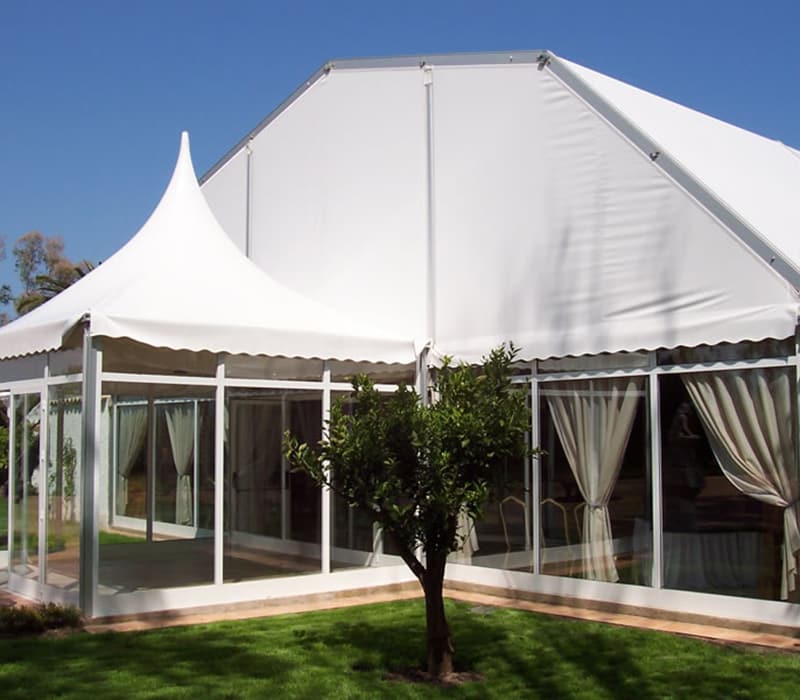
Event tents and temporary enclosures
Applications include marquees, pavilions, event shelters, and temporary enclosures.
Assessment should consider:
- Panel span
- Frame contact
- Seam construction
- Anchoring
- Doors and openings
- Wind-related loading
- Frequency of installation
- Cleaning
- Fire requirements
- Drainage
Fabric properties do not replace structural design for the frame and anchoring system. The complete shelter should be assessed for its intended installation conditions.
Glamping structures
Glamping shelters often combine long-duration appearance requirements with weather protection, cleaning, ventilation, and repeated environmental exposure.
Additional considerations include:
- Ventilation
- Condensation control
- Window integration
- Interior lining
- Local climate
- Occupancy
- Heating equipment
- Installation duration
- Cleaning access
- Seasonal storage
Materials around heating equipment or exhaust components require application-specific assessment and suitable separation.
Camping tents
Camping applications often require a balance between:
- Packability
- Low weight
- Flexibility
- Water resistance
- Seam construction
- Repeated folding
- Ease of handling
- Climate suitability
The best construction depends on tent dimensions, transport method, frequency of use, expected weather, and shelter design.
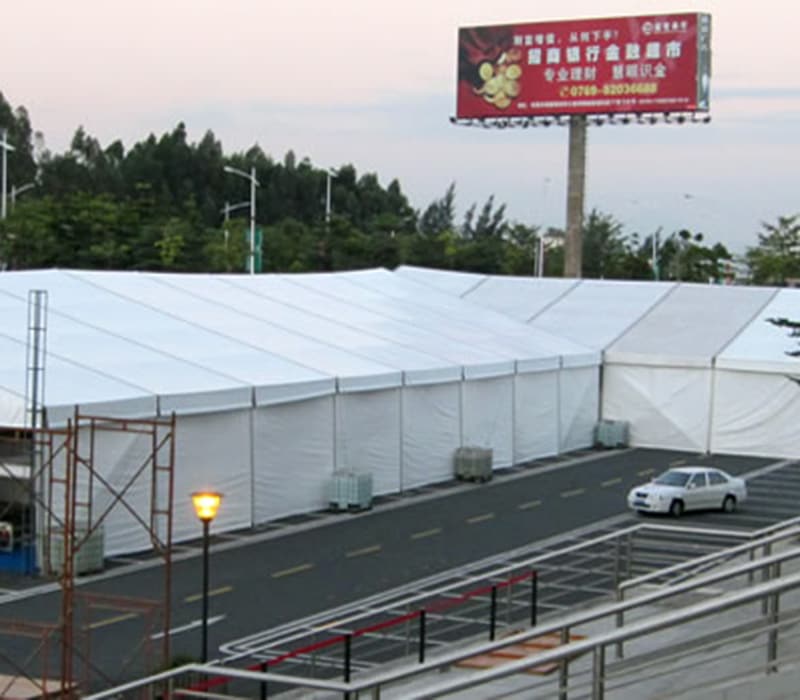
Temporary warehouses
Large temporary storage structures may require dimensionally controlled panels, reinforced edges, compatible joining, and documented mechanical or fire performance.
The complete system should be assessed for:
- Frame design
- Anchoring
- Panel tension
- Doors and openings
- Environmental loads
- Drainage
- Ground conditions
- Installation method
Large membrane areas can behave differently from laboratory specimens. Panel geometry and structural calculations remain essential.
Emergency and relief shelters
Emergency shelters may require rapid deployment, packability, cleaning, repairability, ventilation, and water resistance.
Material evaluation can include:
- Repeated folding
- Transport conditions
- Simple repair methods
- Climate range
- Ventilation
- Cleaning
- Installation speed
- Application-specific safety documentation
Performance priorities should reflect the intended deployment conditions rather than assuming one universal emergency-shelter specification.
Industrial enclosures
Coated composites may be used for technically suitable equipment covers, work partitions, process enclosures, and temporary protective structures.
Potential exposure should be reviewed for:
- Oils
- Cleaning agents
- Heat
- Dust
- Industrial chemicals
- Repeated opening
- Abrasion
- Contact with machinery
Chemical compatibility should be evaluated using the actual substance, concentration, temperature, and exposure duration.
Recreational shelters
Possible uses include:
- Canopies
- Outdoor pavilions
- Activity enclosures
- Seasonal shade structures
- Flexible recreation shelters
Wind, anchoring, water drainage, user contact, cleaning, and repeated installation should be considered in the completed design.
Material Selection, Quality Control and MSD Capabilities
Selection should start with the shelter, climate, and fabrication process. Polymer family, thickness, and area weight are useful specifications, but none of them can define suitability on its own.
How to Select Coated Composite Tent Fabric
- 1. Define the shelter type
Identify whether the material will be used for:
- Camping tents
- Event enclosures
- Glamping structures
- Temporary warehouses
- Emergency shelters
- Industrial enclosures
- Recreational canopies
The shelter type establishes the basic requirements for weight, dimensions, installation frequency, water resistance, seams, and environmental exposure.
- 2. Establish the service environment
Review:
- Indoor or exterior use
- Sunlight exposure
- Rainfall
- Humidity
- Elevated temperatures
- Low temperatures
- Wind-related loading
- Installation duration
- Folding frequency
- Cleaning conditions
- Chemical contact
A membrane used for occasional events faces different conditions from one installed outdoors for an entire season.
- 3. Select the polymer system
Compare TPU, TPO, and PVC in relation to:
- Fabrication method
- Required flexibility
- Surface properties
- Environmental exposure
- Welding or bonding process
- Water contact
- Applicable technical documentation
Selection should be based on a defined composite construction rather than a polymer name alone.
- 4. Define the textile structure
The reinforcing textile should be considered in relation to:
- Tensile requirements
- Tear behavior
- Dimensional stability
- Fabric direction
- Panel dimensions
- Reinforcement details
- Finished shelter geometry
Panel orientation should reflect the load direction where relevant.
- 5. Review area weight and thickness
Area weight and total thickness may affect:
- Handling
- Packability
- Flexibility
- Surface coverage
- Welding
- Finished shelter weight
- Transport
- Installation effort
A heavier fabric is not automatically more suitable for a large shelter. Textile design, adhesion, seams, reinforcement, frame geometry, and anchoring may be more important than mass alone.
- 6. Confirm fabrication compatibility
Use the intended equipment and realistic process parameters to assess:
- Welding
- Sewing
- Seam sealing
- Adhesive bonding
- Printing
- Cutting
- Reinforcement attachment
Trials should include corners, intersections, openings, and layered details rather than only straight seams.
- 7. Define testing requirements
Depending on the project, evaluation may cover:
- Water resistance
- Hydrostatic pressure
- Tensile strength
- Tear resistance
- Peel adhesion
- Puncture response
- Abrasion
- Fire behavior
- Weathering
- Heat aging
- Low-temperature flexibility
- Seam strength
- Seam water resistance
Test standards, specimen structures, conditioning methods, and acceptance criteria should be agreed before results are compared.
- 8. Fabricate a representative sample
A useful trial should reproduce:
- Actual seams
- Corners
- Openings
- Reinforcement
- Printed areas
- Surface treatments
- Planned fabrication settings
A small flat specimen may not reveal dimensional movement, seam-intersection issues, or stress around hardware and openings.
Specification Framework
The following framework can support technical discussions and material documentation.
| Specification Area |
What to Define |
Why It Matters |
| Polymer system |
TPU, TPO, or PVC |
Influences joining, flexibility, and environmental response |
| Textile substrate |
Yarn and fabric construction |
Supports mechanical and dimensional behavior |
| Surface structure |
Single-sided or double-sided composite |
Affects protection, appearance, and fabrication |
| Width |
Usable roll width |
Influences panel layout and seam planning |
| Total thickness |
Complete composite thickness |
Affects handling, weight, and joining |
| Area weight |
Mass per unit area |
Relevant to transport and shelter weight |
| Surface finish |
Smooth, matte, textured, colored, or printable |
Influences appearance, cleaning, and processing |
| Joining method |
Welding, sewing, or adhesive bonding |
Defines fabrication compatibility |
| Water performance |
Test method and reported value |
Supports assessment for rain and moisture exposure |
| Mechanical data |
Tensile, tear, seam, and adhesion results |
Enables comparison under defined methods |
| Fire data |
Standard and tested construction |
Supports project-specific documentation |
| Weathering data |
Method, duration, and evaluation criteria |
Connects the material with exterior exposure |
Values should be confirmed using technical information for the relevant MSD construction.
Quality Control for Coated Composite Tent Fabric
Quality control may take place at textile, composite, seam, panel, and completed-component levels.
Relevant items may include:
- Material width
- Total thickness
- Area weight
- Textile density
- Surface appearance
- Color consistency
- Coating uniformity
- Lamination uniformity
- Layer adhesion
- Tensile strength
- Tear resistance
- Water resistance
- Dimensional response
- Thermal response
- Low-temperature flexibility
- Abrasion response
- Print compatibility
- Welding behavior
- Seam strength
- Seam water resistance
- Edge condition
- Roll geometry
Technical records should identify whether the specimen is:
- Base textile
- Coated composite
- Laminated composite
- Welded seam
- Sewn and sealed seam
- Bonded specimen
- Fabricated panel
- Completed shelter component
This prevents a base-material result from being mistaken for the performance of a fabricated shelter.
Storage, Handling and Cleaning
Appropriate storage and handling help protect the membrane surface, roll shape, adhesion, and converting behavior.
Recommended practices include:
- Store rolls in a clean, dry environment.
- Keep material away from direct sunlight and excessive heat.
- Protect surfaces from dust, oil, and standing water.
- Prevent sharp objects from contacting material edges.
- Use suitable lifting and roll-handling equipment.
- Retain material identification and production references.
- Avoid stacking pressure that can distort the rolls.
- Condition the material before processing where required.
- Inspect the surface and edges before cutting or welding.
- Follow the storage guidance for the selected grade.
For cleaning:
- Remove loose dirt before wiping.
- Use compatible, non-abrasive methods.
- Test cleaning products on a discreet section.
- Avoid aggressive solvents without supporting compatibility information.
- Keep sharp tools away from printed or coated surfaces.
- Allow the material to dry before folding and storage.
- Folding a damp shelter can encourage staining, odor, surface change, or unwanted interaction between adjacent layers.
Why Choose MSD Coated Composite Tent Fabric?
MSD develops Coated Composite Tent Fabric with attention to textile reinforcement, polymer integration, adhesion, dimensional consistency, surface appearance, environmental response, and fabrication compatibility.
The category includes TPU, TPO, and PVC composite constructions for tents, event enclosures, glamping structures, temporary shelters, storage systems, and related flexible applications.
MSD evaluates these materials as complete composites rather than isolated textiles or polymer layers. The base fabric, polymer chemistry, coating or lamination thickness, finish, joining process, and intended service conditions are considered together.
Relevant MSD capabilities include:
- Textile-substrate evaluation
- TPU composite-fabric development
- TPO composite-fabric development
- PVC composite-fabric development
- Coating and lamination process control
- Thickness and width management
- Layer-adhesion evaluation
- Surface and color inspection
- Printable-surface assessment
- Welding-response evaluation
- Dimensional-stability assessment
- Water-resistance evaluation
- Roll and edge inspection
- Application-focused material development
- Technical documentation for relevant constructions
Where a project specifies a tensile value, hydrostatic-pressure result, fire classification, temperature range, or weathering result, the supporting information should apply to the selected material construction and stated test procedure.
Frequently Asked Questions About Coated Composite Tent Fabric
These answers address common questions about composite structure, water performance, polymer selection, fabrication, mechanical behavior, and storage.
What is Coated Composite Tent Fabric?
Coated Composite Tent Fabric is a technical textile that combines a reinforcing fabric with one or more polymer surface layers.
The textile supports mechanical and dimensional behavior. The polymer contributes to water resistance, appearance, protection, cleanability, and compatibility with selected fabrication methods.
Which polymer systems are used in MSD coated tent fabrics?
MSD’s category includes TPU, TPO, and PVC composite constructions.
Each system should be assessed according to its precise chemistry, textile substrate, polymer thickness, surface finish, joining process, climate exposure, and supporting technical data.
What is the difference between coating and lamination?
Coating applies a polymer formulation directly to the textile surface. Lamination joins the textile with a separately manufactured film or layer.
The selected manufacturing route depends on the polymer, intended layer structure, equipment, surface requirements, and target performance.
What is hydrostatic-pressure testing?
Hydrostatic-pressure testing measures how a material responds to increasing water pressure.
A meaningful result should include the test standard, units, conditioning, exposed surface, rate of pressure increase, endpoint, failure criteria, and tested construction.
Is condensation the same as fabric leakage?
No. Condensation forms when humid air contacts a cooler surface. Leakage occurs when water passes through the material, seams, openings, or damaged sections.
Ventilation, occupancy, temperature difference, air movement, and lining design should be reviewed separately from material water resistance.
Can coated tent fabric be welded?
Compatible TPU, TPO, and PVC constructions may support validated thermal joining methods.
Suitability depends on polymer chemistry, surface thickness, textile structure, equipment, seam geometry, temperature, pressure, speed, and cooling.
Can coated composite tent fabric be sewn?
Selected constructions can be sewn. Needle holes may create water-entry paths, so a sewn seam may require compatible sealing tape, sealant, a cover strip, or another validated treatment.
Needle size, thread, stitch spacing, edge distance, and reinforcement should be matched to the material.
Can coated tent fabric be printed?
Applicable surfaces may support compatible printing technologies.
A representative print trial should assess ink adhesion, curing, color, flexibility, cleaning, weather exposure, blocking, and interaction with welded or bonded seams.
Does a heavier tent fabric provide greater structural capacity?
Not automatically. Area weight is only one specification.
Textile structure, tensile and tear behavior, layer adhesion, seams, reinforcement, frame design, anchoring, panel geometry, and installation quality also influence the completed shelter.
Does a fabric fire classification apply to the complete tent?
Not automatically. A fire classification applies to the tested material construction under the stated standard and conditions.
The completed tent may require separate assessment based on its frame, linings, accessories, orientation, installation, and applicable regulations.
How should tent fabric be stored?
Store rolls in a clean, dry area away from direct sunlight, heat, sharp objects, oil, water, and excessive stacking pressure.
Keep the material protected until use, retain roll identification, and follow any conditioning guidance for the selected construction.
--------------------------------------------------------------------------------
Coated Composite Fabric as Part of a Shelter System
Coated Composite Tent Fabric brings textile reinforcement together with TPU, TPO, or PVC surface technology. The textile supports mechanical loads and dimensional control, while the polymer layer contributes to water resistance, appearance, cleaning, and compatible fabrication.
Reliable selection depends on the complete shelter system. Polymer chemistry, textile construction, adhesion, seams, reinforcement, supporting frames, anchoring, ventilation, drainage, climate exposure, and installation all affect finished performance.
MSD develops TPU, TPO, and PVC Coated Composite Tent Fabric for tents, event enclosures, glamping structures, temporary storage systems, emergency shelters, and related flexible applications.

 English