
 English

We firmly believe that true manufacturing value lies not only in superior product performance but also in our responsibility to the environment, our commitment to society, and our long-term vision for...

Home Decoration Materials


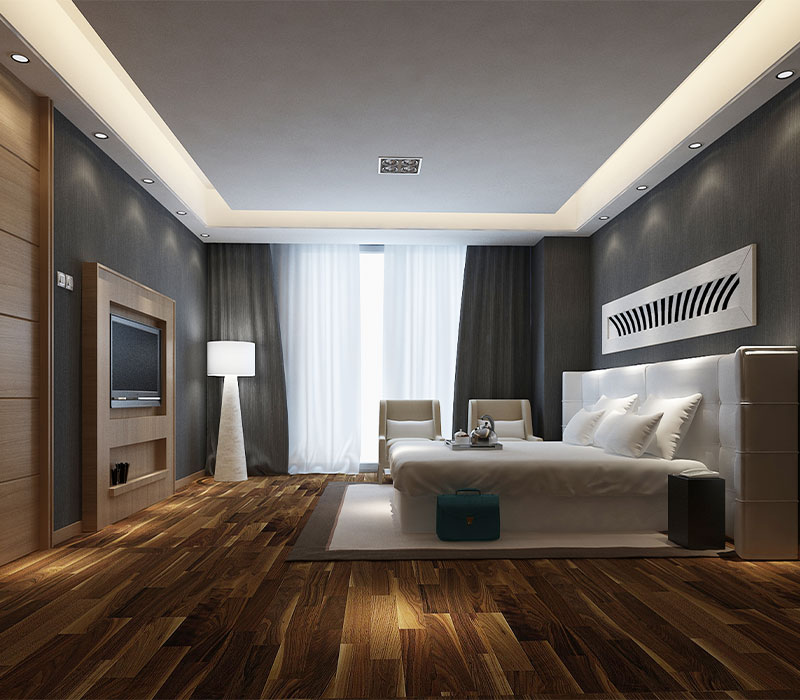

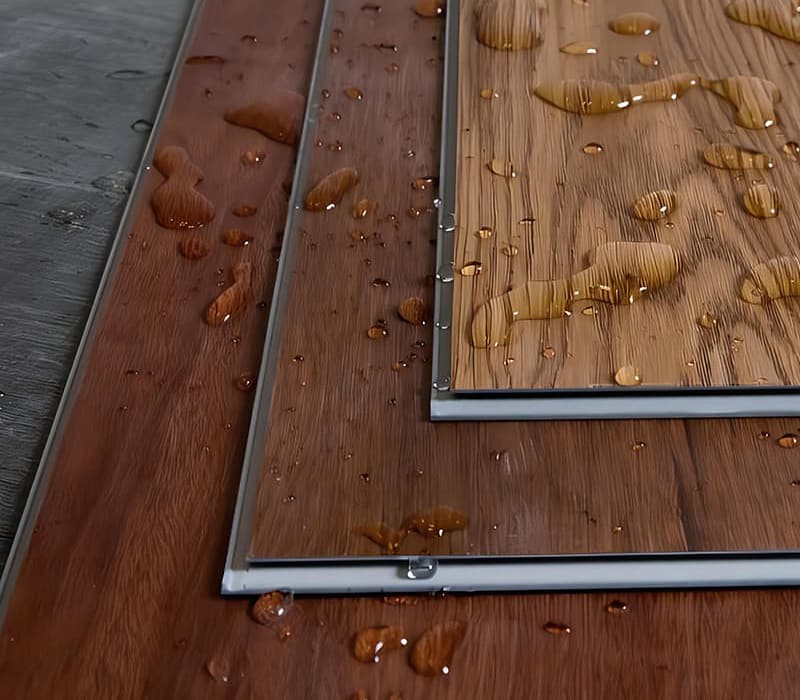

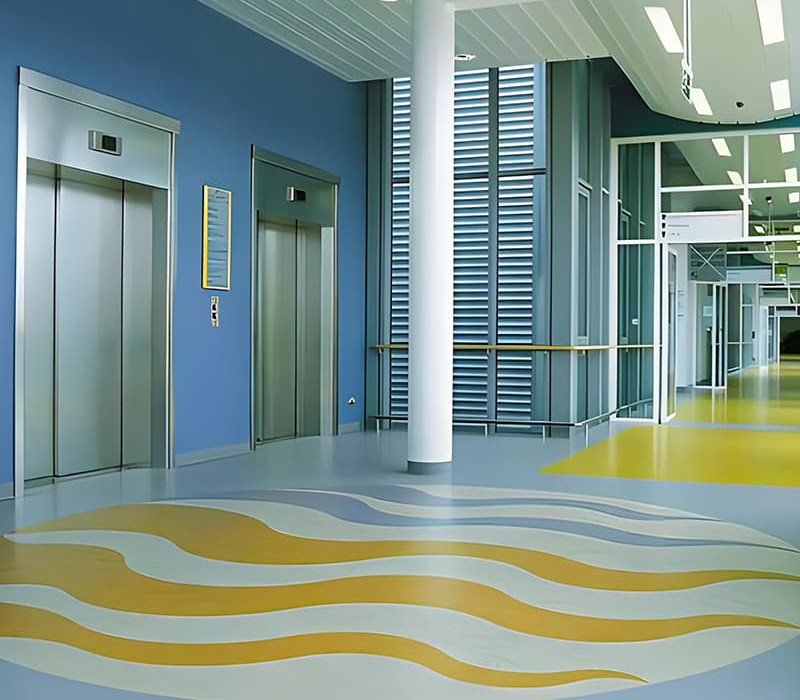


Home Decoration Materials for Interior Building Applications
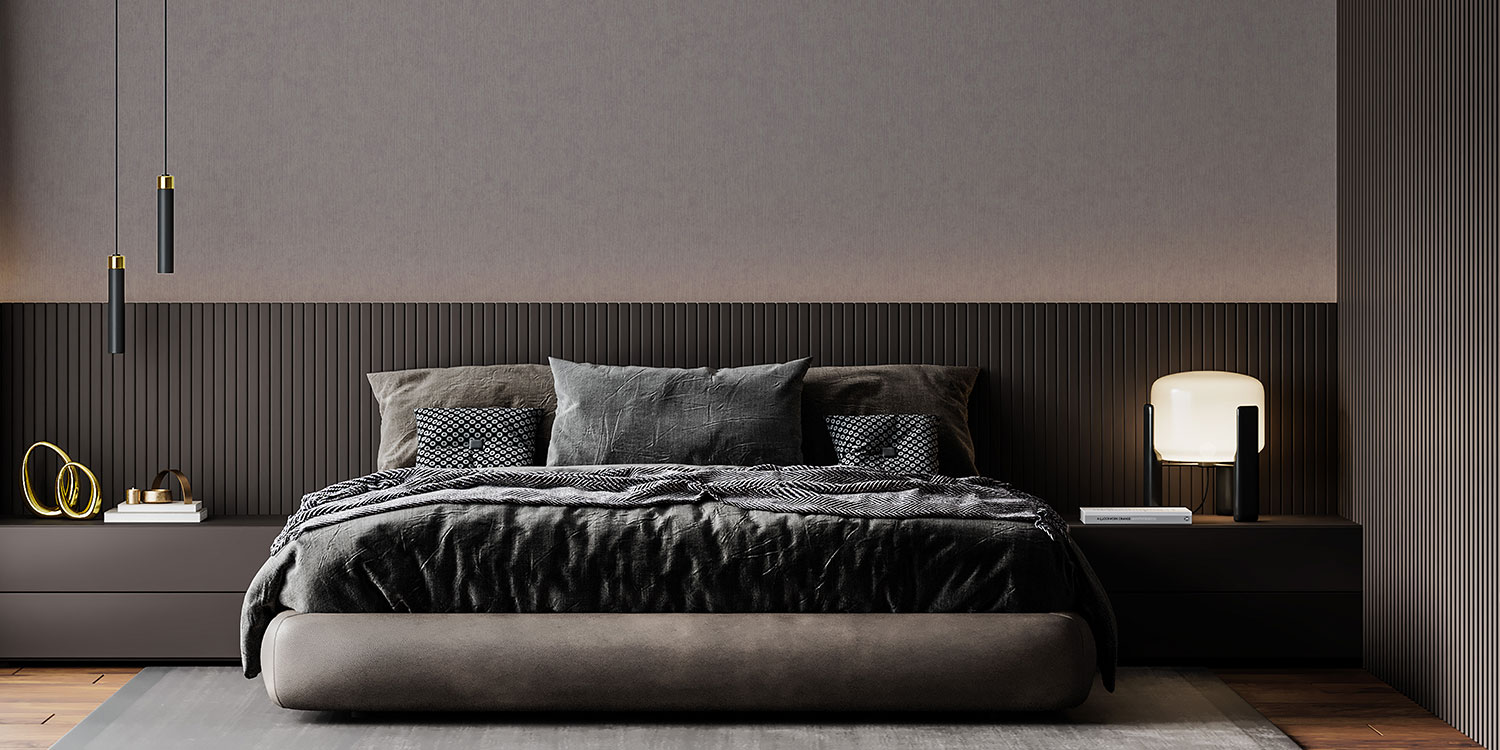
Interior finishes do more than establish the visual character of a room. They also affect how surfaces respond to cleaning, moisture, daily contact, installation and long-term use. A suitable material should complement the design concept while working reliably with the substrate and application method.
MSD develops home decoration materials for residential, hospitality, office, retail and public interior environments. Its product scope includes PVC decorative film, ceiling film, wallcovering materials, flooring film, interior panels and application-specific surface films.
These materials are created through a combination of PVC formulation, printing, embossing, coating, lamination and surface finishing. Each process serves a practical purpose. Printing defines the visual pattern, embossing adds tactile depth, coatings help protect the surface, and the film structure determines how the material behaves during lamination, wrapping or installation.
As a PVC film manufacturer and interior material producer, MSD focuses on controlled specifications, repeatable surface appearance and application compatibility. Material selection is based on where the product will be used, how it will be processed and which technical characteristics are most relevant to the finished interior.
What Are Home Decoration Materials?
Home decoration materials are products used to finish, protect or enhance surfaces inside a building. They may cover furniture panels, walls, ceilings, floors, doors, partitions and decorative architectural elements.
Common product categories include:
- PVC decorative film
- Ceiling film
- Wallcovering materials
- Flooring film
- Interior panels
- Furniture surface film
- Printed and embossed film
- Decorative panel surfaces
- Home interior materials
- Interior building materials
Some interior materials are selected mainly for their colors and textures. Others are developed to provide a particular processing or functional characteristic, such as flexibility, light transmission, dimensional stability or easier cleaning.
Their practical value may include:
- Creating a coordinated interior style
- Protecting the underlying substrate
- Improving routine cleaning convenience
- Supporting efficient surface finishing
- Providing consistent colors and textures
- Reducing direct exposure of panels to moisture
- Making selected interior sections easier to renew
- Supporting different installation structures
No single material is ideal for every location. A film intended for a cabinet door may not be suitable for a luminous ceiling, and a printed flooring layer cannot be assessed in the same way as a wallcovering. The complete application must be considered before a material specification is confirmed.
Main Types of Home Interior Materials
Home interior materials vary in structure, processing method and intended use. Understanding these differences helps match each product to the right surface and interior environment.
PVC Decorative Film
PVC decorative film is used to finish furniture, cabinet doors, wardrobes, interior doors, wall panels and decorative boards. It offers a practical way to introduce color, pattern and texture without relying entirely on natural wood, stone or textile surfaces.
Typical design directions include:
- Oak, walnut, ash and elm effects
- Marble and stone-inspired patterns
- Concrete and mineral appearances
- Linen and woven textures
- Leather-style surfaces
- Solid colors
- Soft matte finishes
- High-gloss finishes
- Embossed decorative effects
Depending on the film structure, the material may be suitable for flat lamination, profile wrapping, membrane pressing or another compatible surface process.
The final result depends on more than the film itself. Panel condition, adhesive selection, heating temperature, pressure and component geometry all influence appearance and adhesion.
Ceiling Film
Ceiling film is used in selected stretch-ceiling, decorative-ceiling and luminous-ceiling systems. It can create a smooth overhead surface and may also form part of an integrated lighting design.
Important characteristics can include:
- Film width and thickness
- Flexibility and stretch response
- Dimensional behavior
- Surface smoothness
- Color and translucency
- Light transmission
- Light diffusion
- Compatibility with the fixing system
- Applicable fire classification
For luminous ceilings, the visual result is also influenced by the distance between the film and light source, lamp arrangement, light temperature and film finish.
A small sample may not fully represent the effect of a completed illuminated ceiling. A full-size or application-scale mock-up can provide a more reliable visual assessment.
Wallcovering Materials
Wallcovering materials add color and texture while helping protect interior walls from routine contact. They are used in homes, hotels, offices, restaurants, retail spaces and public interiors.
Selection criteria may include:
- Pattern and texture
- Surface cleanability
- Stain response
- Scratch resistance
- Color stability
- Moisture response
- Dimensional behavior
- Mildew resistance
- Adhesive compatibility
- Relevant fire performance
Wall preparation has a direct effect on the finished surface. Dust, moisture, cracks, loose paint and uneven areas may cause lifting, bubbling or visible imperfections after installation.
Flooring Film
Flooring film is normally used as one layer within a multi-layer flooring system. Depending on the construction, it may carry the printed design or contribute to the visual and surface structure of the finished floor.
Relevant considerations include:
- Print clarity
- Pattern alignment
- Color consistency
- Heat response during lamination
- Dimensional stability
- Compatibility with adjacent layers
- Surface texture
- Protective-layer compatibility
- Processing temperature
The printed film alone does not determine the wear performance of a finished floor. The protective layer, coating, core structure, lamination quality and test method must be considered together.
Interior Panels
Interior panels are used for walls, furniture components, partitions, decorative cladding and commercial fixtures. They may combine a structural panel with a printed, embossed or coated surface material.
A finished panel system may include:
- A panel substrate
- A decorative PVC film
- An adhesive or lamination layer
- Edge-finishing components
- Connecting profiles
- A mounting or fixing structure
- A protective surface coating
For compatible applications, interior panels may also use a modular layout. Standardized sections can be planned around the dimensions of the wall or interior feature, helping simplify installation and making individual sections easier to replace.
Panel flatness, wall preparation, joint design and fixing accuracy remain important. A modular structure can streamline the process, but it does not remove the need for careful measurement and installation.
Comparison of Home Decoration Materials
The following table highlights the typical uses and main selection factors for common interior decoration materials.
| Material Type | Common Applications | Key Performance | Custom Options |
|---|---|---|---|
| PVC Decorative Film | Furniture, cabinets, doors, wall panels and decorative boards | Formability, adhesion, cleanability, color stability and surface resistance | Color, pattern, texture, thickness, width, gloss and embossing |
| Ceiling Film | Stretch ceilings, decorative ceilings and luminous ceiling systems | Flexibility, dimensions, light diffusion, surface finish and fire classification | Width, thickness, color, translucency, finish and light transmission |
| Wallcovering Materials | Residential walls, hotels, offices, restaurants and public interiors | Cleanability, stain response, scratch resistance and dimensional behavior | Pattern, texture, coating, thickness and surface finish |
| Flooring Film | Printed flooring layers and decorative flooring structures | Print quality, heat response, layer compatibility and dimensional stability | Design, thickness, color, texture and surface treatment |
| Interior Panels | Wall systems, partitions, furniture and decorative cladding | Panel stability, impact response, joint accuracy and surface durability | Panel dimensions, surface film, color, texture, finish and coating |
The differences shown above explain why interior materials should not be selected by appearance alone. The substrate, processing method, service conditions and maintenance routine are equally important.
The Role of PVC Decorative Film in Interior Decoration
PVC decorative film has become a widely used interior surface material because it combines design flexibility with efficient processing. The same visual theme can be applied across cabinet doors, wardrobes, wall panels, profiles and related furniture components.
Printing establishes the color and pattern. Embossing introduces a tactile texture. Surface treatment adjusts gloss, touch and maintenance characteristics. The PVC structure determines how the film responds to heat, tension and forming.
Decorative film can be applied through several processes:
- Flat lamination
- Profile wrapping
- Vacuum membrane pressing
- Compatible thermal forming
- Surface covering
- Panel lamination
Each process places different demands on the film. Deeply routed furniture parts require different forming behavior from flat panels. Narrow profiles may need controlled flexibility around edges, while large wall panels may place more emphasis on flatness and dimensional stability.
Key Advantages of PVC Decorative Film
PVC decorative film offers several practical advantages when matched with the correct substrate and process:
- A broad choice of colors, patterns and textures
- Coordinated designs across several interior components
- Compatibility with different surface-finishing methods
- Efficient reproduction of wood, stone and textile effects
- Easier routine cleaning for suitable surface grades
- Protection against light abrasion and everyday contact
- Reduced direct moisture exposure for the underlying panel
- Adjustable thickness, gloss and embossing
- Controlled roll dimensions for production use
- Application-specific flexibility and forming response
The surface may resist occasional moisture, but the finished component should not automatically be described as fully waterproof. Exposed edges, seams, damaged areas and incomplete adhesive coverage can still allow water to reach the substrate.
MSD develops PVC decorative film with controlled thickness, surface finish and roll condition. Where long-term flexibility is important, the formulation can also incorporate a stabilization system intended to reduce premature brittleness and cracking under normal interior conditions.
Applications in Residential and Commercial Interiors
Home decoration materials are used across many types of interior spaces. The priorities change according to the building, frequency of use, cleaning routine and installation environment.
Residential Interiors
In houses and apartments, decorative materials may be applied to:
- Kitchen cabinet doors
- Wardrobes and storage units
- Interior doors
- Wall panels
- Decorative ceilings
- Furniture surfaces
- Shelving systems
- Partitions
- Flooring structures
- Renovated surfaces
Residential materials are often selected for visual warmth, maintenance convenience and compatibility with everyday use.
Kitchen applications require attention to heat, grease, water and cleaning products. Bathroom-related applications require careful treatment of edges, joints and moisture-sensitive substrates. A PVC surface can help protect a panel, but the complete assembly must be properly designed and installed.
Commercial Interiors
Commercial environments often combine frequent use with a strong visual identity. Decorative materials may appear in:
- Offices
- Hotels
- Restaurants
- Retail spaces
- Showrooms
- Reception areas
- Meeting rooms
- Display fixtures
- Decorative partitions
- Ceiling features
Surface cleanability and visual consistency are often important in these environments. High-contact areas may also need enhanced resistance to scratches, stains and routine abrasion.
Where the same design is used across several rooms or construction phases, approved physical references and defined color tolerances help create a consistent evaluation standard.
Public and Project Applications
Schools, healthcare spaces, transport facilities and other public interiors may have specific requirements for fire behavior, emissions, cleaning and durability.
Relevant factors can include:
- Reaction-to-fire classification
- Surface cleanability
- Resistance to routine disinfecting
- Dimensional stability
- Mildew resistance
- Impact response
- Installation structure
- Maintenance access
- Indoor emission limits
- Local building requirements
Technical documentation should correspond to the exact material construction being supplied. A result for one thickness, substrate or coating system should not automatically be applied to another product.
Key Performance Requirements for Interior Building Materials
A suitable interior material must balance appearance, processing behavior and practical performance. Terms such as durable, waterproof or environmentally friendly should be supported by clear product information and, where relevant, recognized testing.
Waterproof Performance
PVC has low water absorption and can provide a moisture-resistant surface. The completed wall, panel or furniture component may still be affected by exposed edges, joints, seams and the condition of the substrate.
Moisture performance is influenced by:
- Surface-film construction
- Adhesive coverage
- Edge sealing
- Joint design
- Substrate absorption
- Installation quality
- Exposure duration
- Cleaning method
For most interior applications, moisture-resistant surface is more precise than making an unrestricted waterproof claim.
Abrasion Resistance
Abrasion resistance describes how a surface responds to repeated rubbing or contact. The required level depends on where the material is installed.
Furniture fronts, wall panels and flooring systems experience different types of wear. Test results should therefore be interpreted according to the intended use and the applicable testing method.
Color Stability
Color stability helps maintain a coordinated appearance across panels, rooms and related decorative components.
Visual differences can result from:
- Raw material variation
- Printing conditions
- Embossing depth
- Surface gloss
- Viewing angle
- Lighting temperature
- Substrate color
- Production timing
Physical references are useful because digital images may not accurately reproduce color, gloss or tactile texture.
Surface Durability
Surface durability may include resistance to scratches, stains, cleaning and routine contact. Its performance is affected by the coating, embossing, gloss level and maintenance method.
A smooth high-gloss surface may reveal small marks more readily than a textured matte finish. This does not necessarily mean the gloss material has weaker physical properties; visibility also depends on light reflection and surface design.
Flame Retardancy
Some hotels, offices, public buildings and commercial interiors require a defined reaction-to-fire classification.
Fire performance must be confirmed through documentation for the exact product construction and specified test standard. Changes in thickness, substrate, coating, adhesive or installation system may affect the result.
"Flame-retardant" should not be treated as a universal characteristic across all interior films and panels.
Light Diffusion
Light diffusion is relevant to translucent ceiling films and illuminated decorative surfaces. It helps spread light more evenly and reduces the visibility of individual light sources.
The completed effect depends on:
- Film translucency
- Film color
- Surface finish
- Distance from the light source
- Lamp spacing
- Light intensity
- Light temperature
- Ceiling dimensions
Application-scale testing can help determine whether the lighting arrangement and selected film create the intended visual effect.
Easy Cleaning
An easy-clean surface can reduce routine maintenance, particularly in kitchens, hotels, offices and public interiors.
Cleaning guidance should match the selected surface grade. Abrasive pads, strong solvents or highly alkaline chemicals may damage the print, coating or gloss. Testing a cleaning product on a discreet area is a sensible precaution.
Anti-Mildew Performance
Mildew-resistant treatments may be useful in humid environments, but they cannot replace ventilation, moisture management and correct wall preparation.
Moisture trapped behind a wallcovering or panel may still affect the adhesive and substrate. The source of persistent dampness should be addressed before installation.
Dimensional Stability
Dimensional stability helps a film or panel retain its intended size and shape during processing, installation and use.
It can be influenced by:
- Material formulation
- Film thickness
- Heating temperature
- Processing tension
- Cooling conditions
- Storage environment
- Substrate movement
- Installation method
Materials should be stored away from excessive heat, direct sunlight and unsuitable humidity before processing.
Flexibility
Flexibility is important for profile wrapping, membrane pressing, ceiling installation and curved surfaces.
More flexibility is not always preferable. Flat panels may require greater dimensional control, while shaped components need enough elongation to follow corners and recesses. The specification should reflect the actual geometry and process.
Core Technological Advantages
MSD develops home decoration materials with attention to formulation stability, surface protection and installation structure. These technologies are selected according to the product and intended application rather than applied as general labels to every material.
PVC Molecular Stabilization Layer
The term PVC Molecular Stabilization Layer describes MSD's formulation approach for supporting material stability and reducing premature deterioration.
PVC can be affected by heat, light, processing stress and long-term environmental exposure. A controlled stabilization system helps the material retain flexibility and surface integrity under suitable interior-use conditions.
Potential benefits include:
- Reduced risk of premature brittleness
- Improved resistance to cracking
- More stable behavior during heating and forming
- Better dimensional control
- Longer-lasting surface appearance
- Improved resistance to heat-related aging
- More consistent flexibility during processing
This technology may be incorporated into applicable PVC decorative film, ceiling film and other flexible surface materials.
Actual durability depends on the complete formulation, material thickness, processing temperature, installation and service environment. Stabilization supports long-term performance, but it does not make the material resistant to unlimited heat, prolonged outdoor exposure or unsuitable chemicals.
Nano Eco-Friendly Coating
Selected MSD interior materials can use a fine protective coating designed to support surface cleanliness and preserve the decorative finish.
Depending on the product specification, the coating may contribute to:
- A smoother surface
- Easier removal of common marks
- Improved stain response
- Better protection of printed designs
- More consistent gloss
- Reduced accumulation of surface dirt
- Improved routine maintenance
Where indoor emission performance is required, the exact film, coating, substrate and adhesive should be assessed as one complete system.
Formaldehyde-related descriptions should match applicable documentation. Suitable wording may include no intentionally added formaldehyde, formaldehyde not detected under the stated test method, or compliance with a defined emission limit. These descriptions have different meanings and should not be used interchangeably.
The time required before a completed room can be occupied also depends on adhesives, sealants, substrates, ventilation and local construction guidance. A surface coating alone cannot determine occupancy time.
Smart Modular Design
Smart Modular Design applies to compatible interior panel and wall systems. It uses planned panel sections and connecting structures to simplify assembly and create a coordinated surface.
Like fitting together the pieces of a carefully planned puzzle, modular components can be arranged according to the dimensions and layout of the interior space.
Potential advantages include:
- A clearer installation sequence
- Reduced on-site surface finishing
- Easier replacement of individual sections
- Flexible combinations of colors and textures
- More consistent joint positioning
- Less disruption in selected renovation settings
- Adaptability for walls, partitions and decorative features
Installation speed depends on the panel structure, wall condition, fixing method, room geometry and installer experience. Accurate measurement and proper substrate preparation remain essential.
Custom Home Decoration Materials
Interior applications often require a specific combination of dimensions, appearance, processing behavior and technical performance. MSD evaluates customized decorative films and surface materials according to manufacturing feasibility and application requirements.
Development may begin with a physical reference, drawing, technical specification or description of the finished interior component. The substrate and processing method should be identified early because they influence material structure and surface treatment.
Available Custom Options
Depending on the product category, available variables may include:
- Color matching
- Printed pattern
- Wood-grain design
- Stone or marble effect
- Textile-inspired texture
- Material thickness
- Film width
- Roll length
- Core dimensions
- Gloss level
- Matte finish
- High-gloss finish
- Embossing pattern
- Surface coating
- Light transmission
- Flexibility
- Forming behavior
- Dimensional characteristics
- Mildew-resistant treatment
- Applicable fire-performance target
- Protective surface treatment
- Modular panel configuration
- Packing and identification method
Some properties affect one another. Increasing stiffness may reduce forming flexibility, while a deep embossing pattern may influence surface gloss and cleaning behavior. Material development therefore involves balancing the characteristics that matter most to the application.
Custom Product Categories
MSD can evaluate development for:
- Custom PVC decorative film
- Custom furniture surface film
- Custom cabinet film
- Custom ceiling film
- Custom wallcovering materials
- Custom flooring film
- Custom interior panels
- Custom embossed film
- Custom printed surface film
- Custom modular panel surfaces
- Custom interior building materials
The development process may include application review, material selection, visual evaluation, processing trials and specification confirmation.
Samples should be tested with the intended substrate, adhesive and equipment whenever processing performance is critical. A material that performs well in one lamination or forming system may behave differently under another set of conditions.
MSD develops PVC decorative film, ceiling film, wallcovering materials, flooring film and interior panel surfaces for modern interior applications. Stabilized PVC formulations support material integrity, protective coatings help maintain decorative surfaces, and compatible modular panel structures can simplify installation planning.By connecting design development with PVC formulation, printing, embossing, coating, lamination and inspection, MSD provides interior materials shaped around real processing and application needs.
MSD — PVC Decorative Film, Home Decoration Materials and Interior Surface Solutions.
-

+86-(0)573-87985868
-

+86-(0)573-89237968
-

-

NO.11 Hongqi Road, warp knitting industrial park of Haining City, Zhejiang Province, China
Copyright © Zhejiang MSD Group Share Co., Ltd. All Rights Reserved.
PVC Home Decoration Materials Factory