
 English
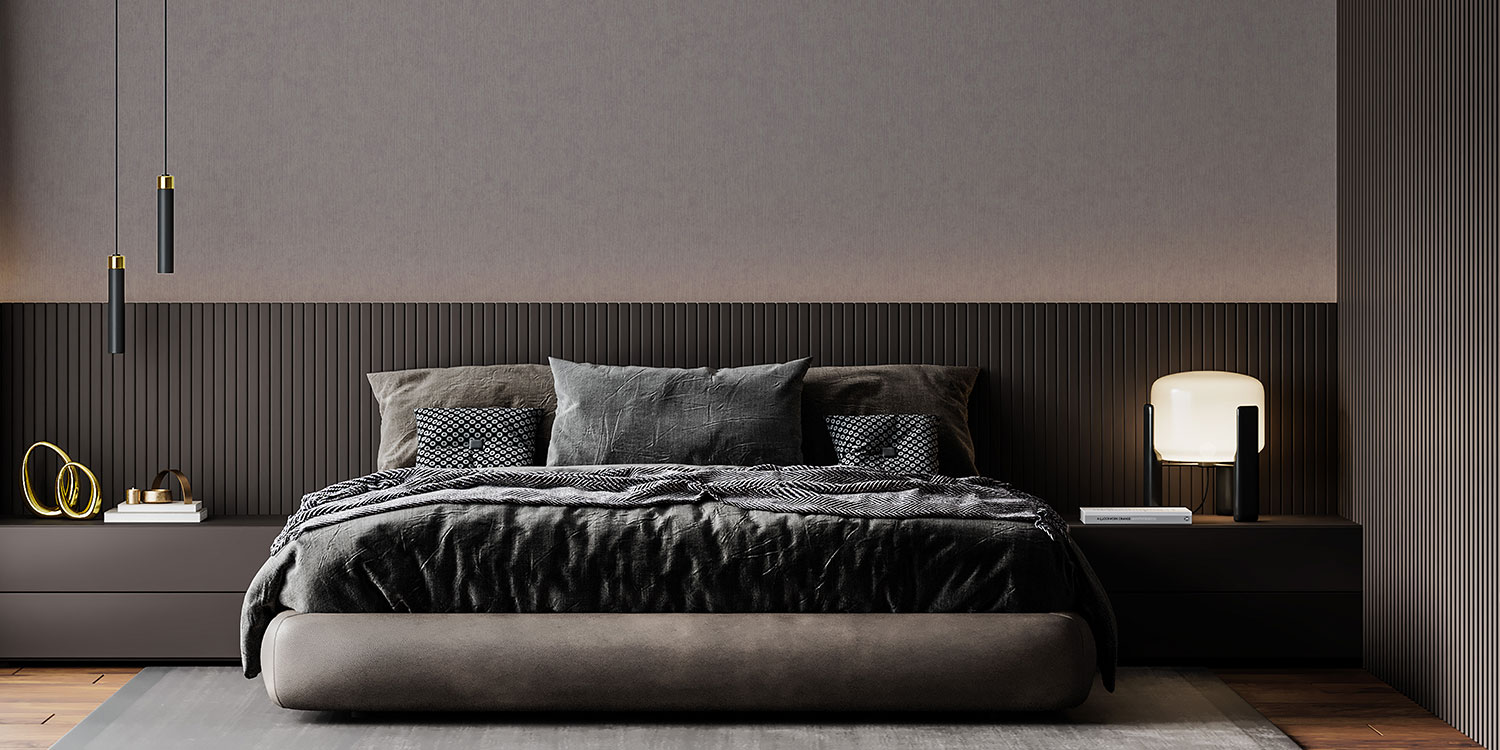
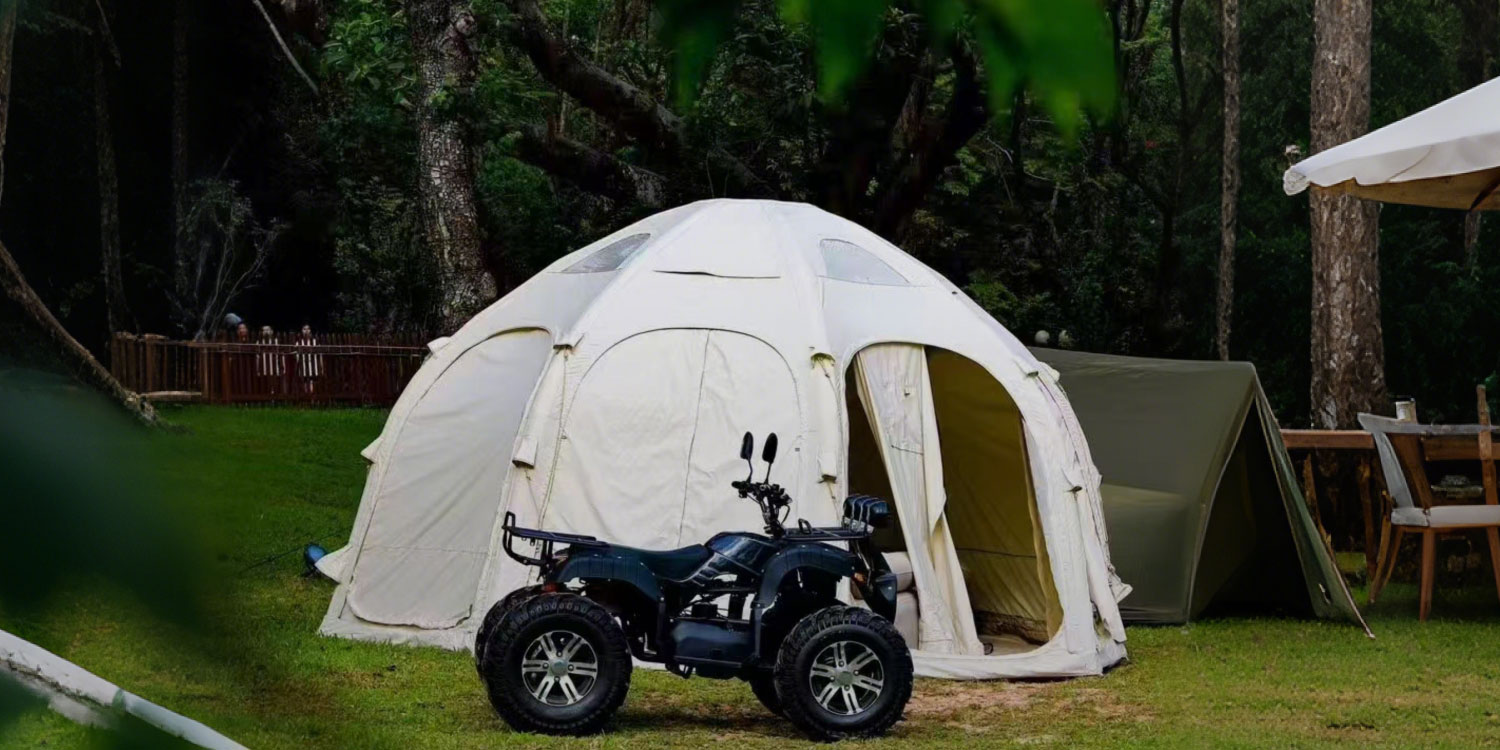
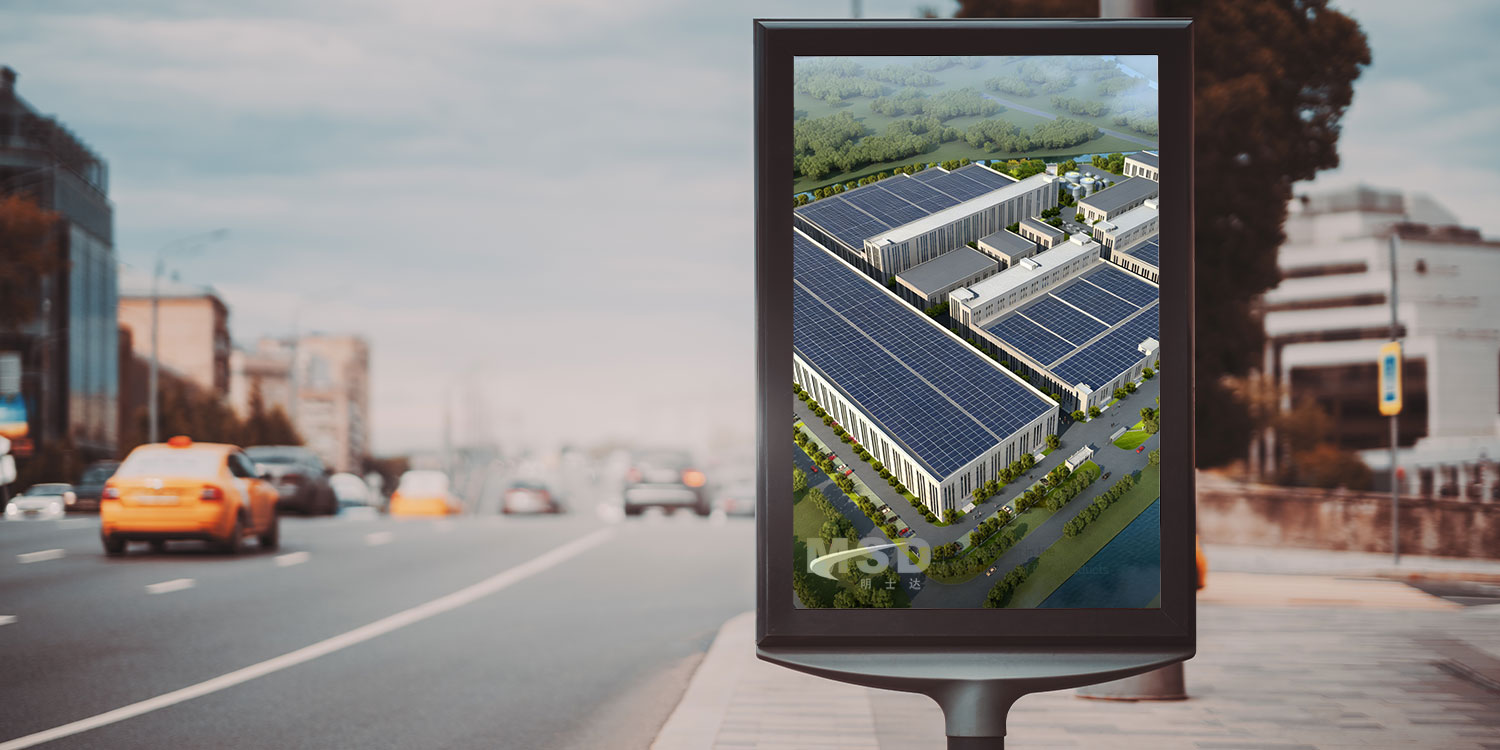
We firmly believe that true manufacturing value lies not only in superior product performance but also in our responsibility to the environment, our commitment to society, and our long-term vision for...

PVC Products


Furniture Decorative Film, PVC Film and PVC Coated Fabric Solutions
MSD develops and manufactures PVC film, furniture decorative film, PVC coated fabric and flexible composite materials for furniture production, interior finishing, construction-related projects, leisure products and industrial applications.
Each application places different demands on a material. A film used on a shaped cabinet door must respond well to heat and forming. A decorative surface for an interior panel may place greater emphasis on color, texture and cleanability. A coated textile used outdoors needs an appropriate balance of fabric strength, coating adhesion, flexibility and weather performance.
For this reason, MSD approaches product development from both a material and application perspective. PVC formulation, film thickness, printing, embossing, surface finishing, textile construction and coating technology are considered according to the intended processing method and service environment.
Our product system covers decorative surfaces, functional films, coated textiles and application-specific composites. It gives furniture producers, interior material companies and industrial project teams access to related PVC materials through one manufacturing source.
Explore MSD PVC Products and Composite Materials
MSD supplies several categories of PVC-based materials. Although these products may use similar polymer technologies, their structures and functions are different.
Furniture Decorative Film
Furniture decorative film is used to create finished surfaces on cabinet doors, wardrobes, furniture panels, interior profiles and decorative wall components.
Available design directions may include:
- Wood-grain patterns
- Stone and marble effects
- Textile-inspired finishes
- Leather-style textures
- Solid colors
- Matte surfaces
- High-gloss finishes
- Embossed decorative effects
The suitable film construction depends on the substrate, adhesive, forming method and desired surface appearance.
Flexible PVC Film
Flexible PVC film can be developed for lamination, profile wrapping, forming and compatible surface-finishing processes.
Its characteristics can be adjusted through formulation, thickness, surface treatment and production settings. Different grades may provide different levels of flexibility, dimensional stability, transparency, texture and forming performance.
PVC Coated Fabric
PVC coated fabric combines a reinforcing textile with a PVC surface layer. The textile contributes mechanical support, while the coating helps provide color, flexibility and protection from water or routine surface contact.
The final properties are influenced by the yarn, weave, fabric density, coating formulation, coating weight and finishing process.
Flexible Composite Materials
MSD also develops coated and laminated constructions for projects requiring a specific combination of appearance, strength, flexibility or surface performance.
A composite may include a textile substrate, polymer coating, printed layer, embossed finish or another compatible material structure.
Custom PVC Materials
Application-specific development may cover dimensions, colors, printed designs, surface textures, material construction and selected performance targets.
Feasibility is assessed according to the product category, manufacturing process, technical target and available testing method.
Furniture Decorative Film for Modern Interior Surfaces
Furniture decorative film is a flexible surface material used to change the appearance of furniture panels and interior components. It can reproduce the visual character of natural materials while supporting efficient furniture production.
Through printing, embossing and surface finishing, PVC decorative film can present wood, stone, textile, leather-inspired and solid-color effects. Coordinated designs can be applied across doors, panels, profiles and trim components to create a consistent furniture collection.
Decorative appearance is important, but it is only one part of product selection. The film must also match the board, adhesive, machinery and forming conditions used during production.
Where Is Furniture Decorative Film Used?
Common applications include:
- Kitchen cabinet doors
- Cabinet side panels
- Wardrobes and closet systems
- MDF furniture components
- Interior doors
- Decorative wall panels
- Furniture profiles
- Shelving and storage units
- Interior trims
- Routed or shaped panels
- Retail display furniture
- Interior cladding elements
The shape of the component influences the choice of material. Flat surfaces, narrow profiles and deeply routed panels do not always use the same film grade.
Decorative Possibilities
Wood-Grain Designs
Wood patterns can range from traditional oak and walnut effects to light Scandinavian tones and contemporary linear grains.
Printing controls the visual pattern, while embossing adds a tactile surface. The relationship between pattern and texture has a strong influence on the realism of the finished panel.
Stone and Marble Effects
Stone-inspired films can be used on furniture surfaces, wall panels and interior features where a mineral appearance is required without the weight and processing demands of natural stone.
Solid Colors
Neutral, pastel and bold colors can be developed for residential furniture, children’s furniture, commercial interiors and display systems.
Surface gloss can significantly change the character of the same color. Matte finishes often create a softer appearance, while gloss finishes produce stronger reflection and visual depth.
Textile and Leather-Inspired Surfaces
Fabric and leather-style designs add visual warmth and texture to wardrobes, wall panels, cabinet fronts and other interior elements.
These effects are created through a combination of print design, color layering and embossing.
Main Characteristics of PVC Furniture Decorative Film
The value of decorative film comes from the way appearance, processing and surface performance work together.
Design Flexibility
Printing and embossing make it possible to create varied colors, patterns and tactile effects. A coordinated design family may include several tones or finishes for use across a complete furniture collection.
Forming Capability
Selected film grades can be developed for:
- Flat lamination
- Profile wrapping
- Vacuum membrane pressing
- Surface covering
- Compatible thermoforming processes
Forming behavior depends on the film construction, temperature, heating time, component geometry and adhesive system.
Practical Surface Performance
A properly selected film may help protect the underlying furniture panel from routine moisture contact, staining and light abrasion.
Performance varies by product grade. Edges, joints, adhesive coverage and panel preparation also influence the finished component.
Consistent Visual Appearance
Decorative film can help maintain similar colors and textures across furniture doors, panels and profiles.
Reasonable production variation should still be considered, especially when materials are produced in different batches or viewed under different lighting conditions.
Production Efficiency
Film-based surface finishing can support repeatable panel production when the substrate, adhesive, equipment settings and handling procedures are properly controlled.
Stable processing requires more than a suitable film. Every part of the lamination or forming system must work together.
How to Select Furniture Decorative Film
A design may look attractive in a sample book but behave differently during actual production. Material selection should therefore begin with the component and processing method.
Confirm the Substrate
The type and condition of the panel affect bonding and final appearance.
Points to check include:
- Board type
- Surface smoothness
- Moisture content
- Dust or contamination
- Porosity
- Edge condition
- Groove depth
- Profile geometry
MDF is commonly used for membrane-pressed furniture components because it can be routed into different shapes. Surface preparation remains essential for dependable adhesion.
Identify the Application Method
Flat lamination, profile wrapping and membrane pressing place different stresses on a film.
A material for a flat panel may not have the elongation or heat response needed for a deeply routed cabinet door. Likewise, a highly flexible film may not be the preferred choice where greater dimensional stability is required.
Check Adhesive Compatibility
The adhesive must be compatible with the film, substrate and production process.
Important variables include:
- Adhesive type
- Application weight
- Drying conditions
- Activation temperature
- Open time
- Pressing pressure
- Curing period
Production trials are useful when a new combination of film, board and adhesive is introduced.
Define the Service Environment
Interior furniture may still encounter heat, humidity, cleaning chemicals and regular physical contact.
For kitchen, bathroom or commercial interior use, the complete panel construction should be reviewed. Particular attention should be given to edges, routed areas, joints and locations close to heat sources.
PVC Film: Material Properties and Applications
PVC film is produced from polyvinyl chloride resin combined with selected additives. By changing the formulation and manufacturing conditions, the material can be made soft or relatively firm, transparent or opaque, smooth or embossed.
This adaptability allows PVC film to serve both decorative and functional purposes.
What Affects PVC Film Performance?
Several variables determine how a PVC film behaves during processing and use.
Polymer Formulation
The formulation influences flexibility, forming response, surface feel and dimensional behavior.
It may also be adjusted to support selected performance targets, provided that the requested characteristics are compatible with the material and production process.
Thickness
Film thickness affects handling, coverage, forming behavior and the visual result after lamination.
A thicker film is not automatically more suitable. The correct specification depends on the component design, processing equipment and performance target.
Surface Construction
The surface can be printed, embossed, coated or otherwise finished to create decorative and functional characteristics.
Surface treatment may influence:
- Gloss
- Texture
- Print clarity
- Cleaning behavior
- Ink receptivity
- Adhesive interaction
- Resistance to routine contact
Flexibility and Elongation
Films used on curved or shaped parts need sufficient flexibility for the intended geometry.
The heating profile must also be controlled. Excessive temperature may affect color, gloss or dimensional behavior, while insufficient heat may prevent the material from forming correctly.
Dimensional Stability
Some applications require the film to retain its dimensions during lamination, cooling and later use.
Dimensional behavior should be evaluated together with temperature, tension and storage conditions.
Common Applications of PVC Film
Depending on its construction, PVC film may be used for:
- Furniture surface finishing
- Cabinet and wardrobe components
- Interior door surfaces
- Decorative panel lamination
- Profile wrapping
- Wall and ceiling elements
- Surface protection
- Construction-related materials
- Flexible finished products
- Selected packaging applications
- Industrial surface components
The correct grade should be confirmed through technical review and application testing. A film that performs well in one process may not provide the same result in another.
PVC Coated Fabric: Material Structure and Performance
PVC coated fabric is a flexible composite made from a textile base and a PVC coating. The two layers perform different but connected functions.
The textile carries much of the mechanical load. The PVC surface contributes water resistance, color, flexibility and protection. When these components are properly combined, the finished material can be fabricated into covers, shelters, inflatable structures and many other products.
Textile Substrate
Polyester is widely used in coated fabric because it offers strength, dimensional stability and reliable processing characteristics.
The performance of the base fabric is influenced by:
- Yarn material
- Yarn strength
- Yarn count
- Fabric density
- Weave pattern
- Fabric weight
- Dimensional stability
A heavier fabric is not always the strongest option. Yarn quality and fabric structure also make a substantial difference.
PVC Coating Layer
The coating formulation influences flexibility, weight, surface appearance and resistance to environmental exposure.
Depending on the intended application, the coating may be applied to one or both sides of the textile. Coating thickness and uniformity are important for both appearance and functional performance.
Bond Between Fabric and Coating
The connection between the PVC layer and textile base helps determine the integrity of the finished composite.
Coating adhesion should be evaluated according to the fabrication process and service conditions. Folding, welding, sewing, tension and temperature changes may place stress on the bond.
Surface Finish
PVC coated fabric can have a smooth, textured, matte or glossy finish.
The surface may also be developed for printing, cleaning or other application-specific requirements. Available treatments depend on the coating formulation and manufacturing method.
Key Performance Factors for PVC Coated Fabric
A useful technical specification describes how the material needs to perform, not only how it looks.
Tensile Strength
Tensile strength measures the material’s response to pulling force.
The appropriate level depends on the finished product, installation method and expected mechanical load. Both warp and weft directions may need to be evaluated.
Tear Resistance
Tear resistance describes the ability of the material to resist further damage after a cut or puncture has started.
This property is relevant for covers, tents, shelters and products exposed to fastening points or repeated movement.
Coating Adhesion
Coating adhesion reflects how securely the PVC layer is attached to the textile base.
Weak adhesion may lead to separation during fabrication or use. The selected test method and sample preparation can affect the reported result.
Flexibility
Flexibility influences folding, rolling, welding, sewing, installation and storage.
Cold environments may change how a flexible material behaves. Where low-temperature use is expected, the applicable temperature range should be discussed during product evaluation.
Water Resistance
The coated surface can help prevent water penetration through the material.
The final product must also be considered. Seams, stitching holes, welded joints, fasteners and open edges may create separate paths for water entry.
Weather and UV Performance
Outdoor materials may be exposed to sunlight, rain, temperature changes and airborne contamination.
Weather performance depends on formulation, color, exposure intensity, climate and maintenance. Outdoor suitability should be confirmed for the relevant grade rather than assumed for every PVC coated fabric.
Abrasion Resistance
Abrasion resistance is important where the surface experiences rubbing, repeated folding or contact with equipment.
The level required depends on how frequently the material moves and what type of surface it touches.
Weight and Thickness
Material weight influences handling, transportation, fabrication and structural design.
Thickness can contribute to surface protection and physical appearance, but it should be considered together with the base fabric and coating construction.
Applications of PVC Coated Fabric
PVC coated textiles are used across outdoor, leisure, construction-related and industrial fields.
Common applications include:
- Tarpaulins
- Machinery covers
- Equipment covers
- Tent materials
- Temporary shelters
- Inflatable products
- Outdoor leisure products
- Sports equipment
- Industrial curtains
- Flexible partitions
- Protective textile products
- Construction membranes
- Custom fabricated covers
- Flexible architectural components
Each application has its own priorities. An inflatable structure may focus on air retention and weldability, while an equipment cover may require abrasion resistance, tear strength and outdoor durability.
Custom PVC Film and Composite Material Development
Standard products are suitable for many uses, but some projects require a specific combination of size, design, processing behavior and physical performance.
MSD can evaluate application-specific PVC film, furniture decorative film, PVC coated fabric and flexible composite constructions. Development begins with the finished product and works backward to the most appropriate material structure.
Material Specifications
Depending on the product category, adjustable specifications may include:
- Thickness
- Width
- Roll length
- Core size
- Textile construction
- Coating weight
- Total material weight
- Film flexibility
- Composite structure
- Surface treatment
The available range depends on manufacturing capability and the interaction between different material properties.
Decorative Specifications
Visual development may include:
- Color matching
- Printed patterns
- Wood-grain designs
- Stone-inspired graphics
- Textile effects
- Embossed textures
- Matte finishes
- Gloss finishes
- Coordinated pattern and texture
Physical references provide useful visual guidance. Color perception can still vary with lighting, gloss, texture and substrate.
Functional Targets
Project discussions may cover:
- Forming behavior
- Flexibility
- Dimensional stability
- Tensile strength
- Tear resistance
- Coating adhesion
- Abrasion resistance
- Water resistance
- Weather performance
- Surface cleanability
A test target is more useful when it includes a recognized method, sample direction and testing conditions.
Packing and Identification
Available packing details may include:
- Roll wrapping
- Core specification
- Labels
- Shipping marks
- Pallet arrangement
- Product identification
- Batch reference information
Suitable packing helps protect the surface and maintain material condition during storage and transportation.
How MSD Develops a Custom Material
A structured development process helps connect the application requirement with a practical production specification.
The first step is to understand the finished product.
Useful information includes where the material will be used, how it will be processed, what conditions it may encounter and which characteristics are most important.
The project is then translated into measurable material requirements.
Relevant details may include:
- Product category
- Dimensions
- Substrate
- Processing method
- Color or pattern
- Surface finish
- Physical performance
- Environmental exposure
- Applicable test standards
- Packing method
- Destination market
Drawings, technical documents and physical references can improve communication at this stage.
MSD reviews whether a current grade can meet the application needs. When necessary, an adjusted formulation, surface design or composite structure may be evaluated.
Some performance targets affect each other. Greater stiffness, for example, may reduce forming flexibility. Material development therefore involves balancing the characteristics that matter most to the application.
Samples may be checked for:
- Visual appearance
- Color
- Texture
- Dimensions
- Surface condition
- Processing response
- Adhesion behavior
- Relevant physical properties
Testing on actual production equipment provides more meaningful information than appearance review alone.
Once the sample has been assessed, the essential product details can be documented.
These may include dimensions, tolerances, visual references, test requirements, inspection criteria, labels and packing details.
Production follows the confirmed specification and applicable process controls.
Inspection items depend on the material category. They may include dimensions, appearance, roll condition, surface quality and selected physical characteristics.
For continued production, retaining an approved reference and documented specification helps maintain consistency.
Some variation is natural in printed, embossed and flexible polymer materials. Defining acceptable tolerances creates a clearer standard for future production.
MSD Manufacturing Capabilities
MSD focuses on polymer-modified film, decorative surface materials, coated textiles and flexible composites.
Our manufacturing approach brings together formulation, printing, embossing, coating, lamination and surface-finishing experience. This integrated capability supports projects that involve both visual design and functional material performance.
Main Production Capabilities
MSD’s capabilities include:
- PVC film manufacturing
- Furniture decorative film production
- Printed surface development
- Embossing
- Surface finishing
- PVC coated fabric production
- Textile coating
- Material lamination
- Polymer formulation
- Flexible composite development
- Color and texture development
- Application-specific material adjustment
- Production quality control
- Roll packing and labeling
These capabilities serve furniture, interior decoration, leisure, sports, construction-related and industrial applications.
Application-Focused Material Development
A technical specification only becomes meaningful when it relates to the finished product.
MSD considers how the material will be laminated, wrapped, formed, welded, sewn or installed. This application-focused approach helps identify potential compatibility issues before full production.
Consistency Through Defined Specifications
Production consistency depends on documented materials, process settings and inspection criteria.
For decorative products, references may include approved colors, patterns, gloss levels and textures. For coated textiles, key controls may include width, weight, coating condition, surface appearance and physical test results.
Multi-Category Material Support
Projects sometimes require more than one type of PVC material. A furniture program may involve decorative films for panels and profiles, while a leisure application may combine film, coated fabric and laminated components.
MSD’s product scope supports the development of related materials within a connected PVC and composite manufacturing system.
Frequently Asked Questions About MSD PVC Products
The following answers address common questions about PVC film, furniture decorative film and coated textile materials.
What PVC products does MSD manufacture?
MSD manufactures furniture decorative film, flexible PVC film, PVC coated fabric and related composite materials.
These materials are developed for furniture surfaces, interior components, construction-related products, leisure equipment, coated textiles and industrial applications.
What is furniture decorative film?
Furniture decorative film is a flexible surface material applied to suitable panels, profiles and shaped furniture components.
It provides color, pattern and texture while helping create a finished surface. Typical designs include wood grain, stone effects, textile textures and solid colors.
Where can furniture decorative film be applied?
Common applications include cabinet doors, wardrobes, MDF panels, interior doors, wall panels, shelving, profiles and decorative trims.
The suitable film grade depends on the substrate, component shape, adhesive and production process.
Is PVC decorative film suitable for membrane pressing?
Selected grades can be developed for vacuum membrane pressing.
Suitability depends on forming depth, film construction, heating conditions, adhesive activation, pressure and panel geometry. A trial using actual equipment is recommended before full-scale production.
What is the difference between PVC film and PVC coated fabric?
PVC film is a polymer sheet used for decorative, protective or functional purposes.
PVC coated fabric contains a textile base covered with PVC. The textile provides reinforcement, while the PVC layer contributes surface protection, color and flexibility.
Is PVC film waterproof?
PVC film itself can provide strong resistance to water penetration. The finished component may still be affected by exposed edges, joints, seams, adhesive coverage or an absorbent substrate.
For this reason, water performance should be evaluated at both material and finished-product levels.
What is PVC coated fabric made from?
PVC coated fabric commonly consists of a polyester textile base and a PVC coating.
The precise construction varies by application. Yarn, weave, fabric density, coating formulation, coating weight and surface finish all influence performance.
Can PVC coated fabric be used outdoors?
Selected grades can be developed for outdoor applications.
The required construction depends on sunlight exposure, climate, temperature range, expected service period and mechanical stress. Outdoor suitability should be confirmed for the specific material grade.
Can MSD develop custom colors and textures?
MSD can evaluate color matching, printed patterns, embossed textures and selected gloss levels for applicable products.
Clear references such as physical samples, color standards or design files help define the intended appearance.
How can production consistency be supported?
A confirmed specification, approved reference and defined inspection criteria provide the foundation for consistency.
Storage conditions, processing settings and material handling at the application site also affect the final result.
Discuss Your PVC Material Requirements with MSD
Choosing a suitable PVC material begins with the application. Surface appearance, processing method, dimensions, mechanical demands and environmental exposure should be considered together.
MSD provides material solutions for:
- Furniture decorative film
- Cabinet surface film
- Wardrobe film
- Membrane press film
- Profile wrapping film
- Flexible PVC film
- PVC coated fabric
- Coated textile materials
- Flexible composite materials
- Application-specific PVC products
Share your intended application, dimensions, processing method, visual references and technical targets with MSD. Our team will review the information and evaluate an appropriate material direction.
MSD — PVC Film, Furniture Decorative Film, PVC Coated Fabric and Flexible Composite Material Solutions.
-

+86-(0)573-87985868
-

+86-(0)573-89237968
-

-

NO.11 Hongqi Road, warp knitting industrial park of Haining City, Zhejiang Province, China
Copyright © Zhejiang MSD Group Share Co., Ltd. All Rights Reserved.
Custom PVC Products Factory Supporting Film, Fabric, and Composite Material Production